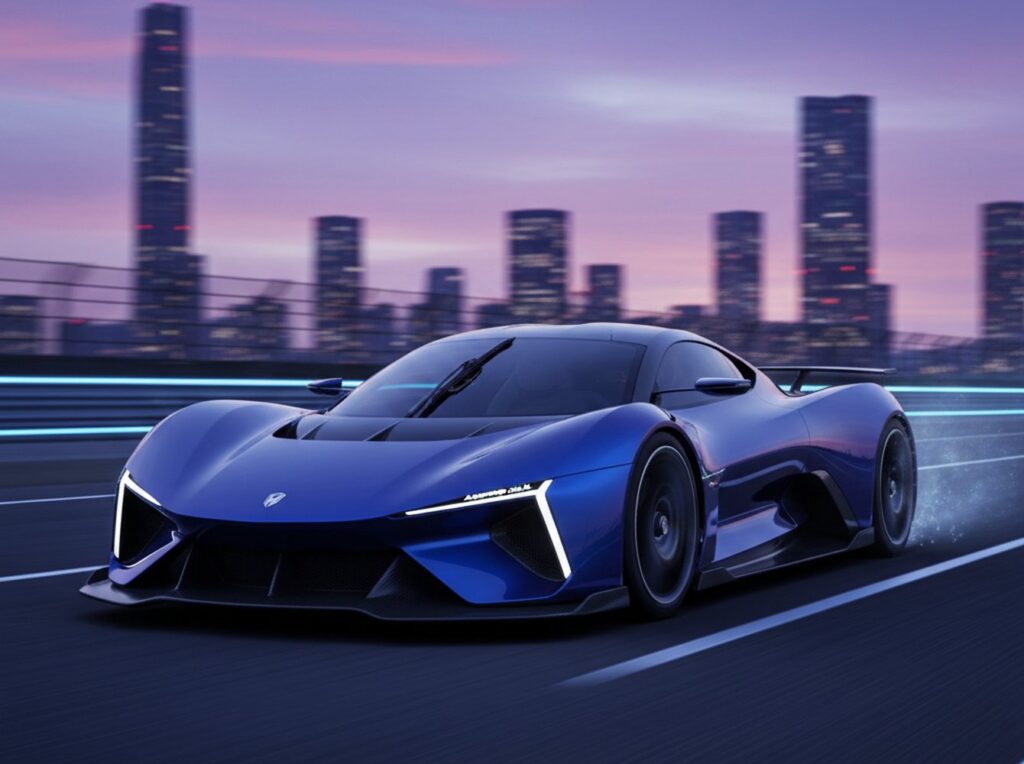
Aspark Owl: The $3.1M EV with Record-Shattering Acceleration
Aspark has officially unleashed the 2026 Owl, a machine that redefines the very concept of acceleration in the hypercar echelon. This all-electric testament to Japanese engineering isn’t just a vehicle; it’s a statement of intent, designed with the singular, obsessive goal of achieving the fastest 0-60 mph time on the planet. For a brand emerging from the world of engineering services, the Owl is a radical and audacious entry into the automotive stratosphere.
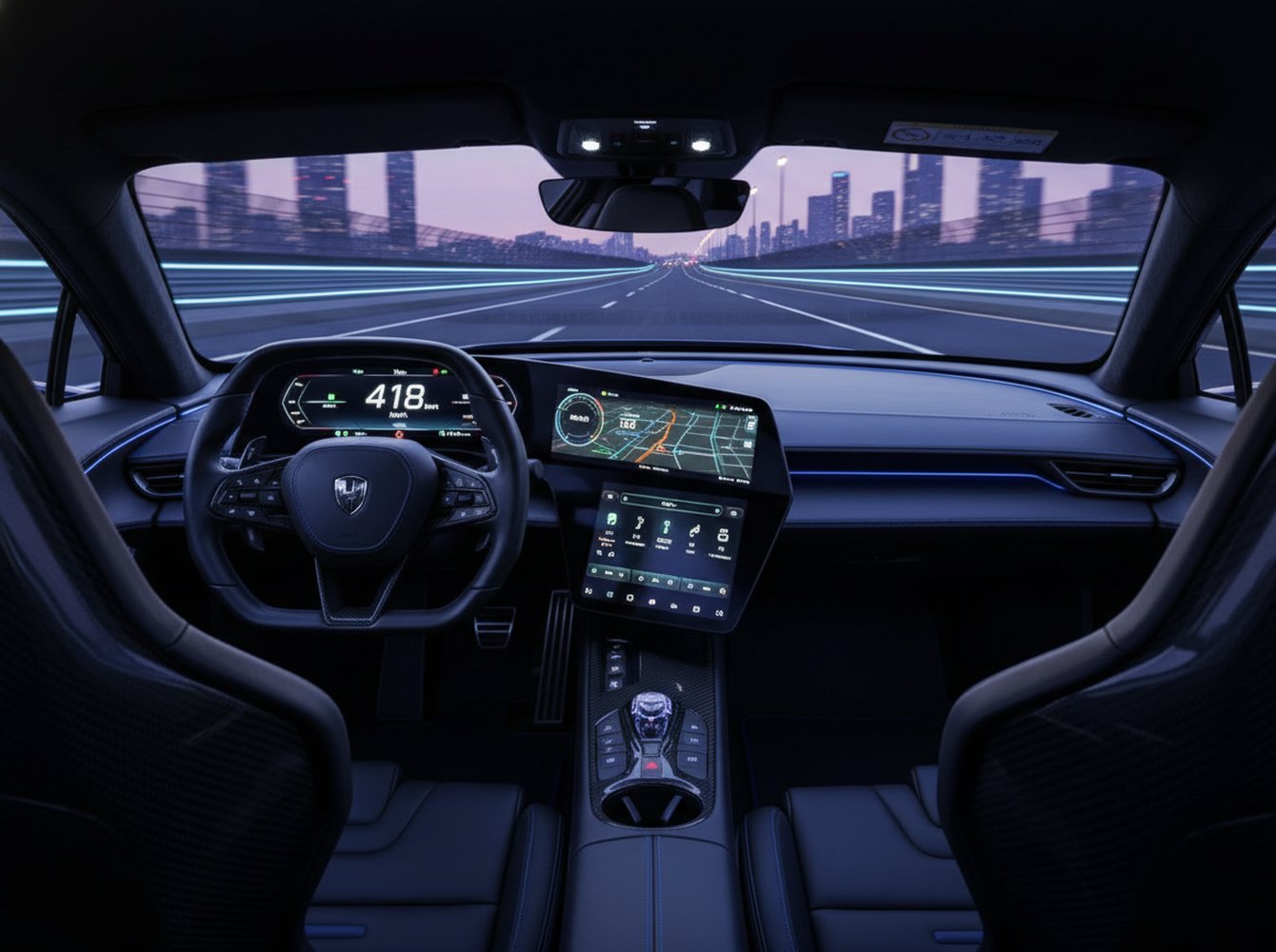
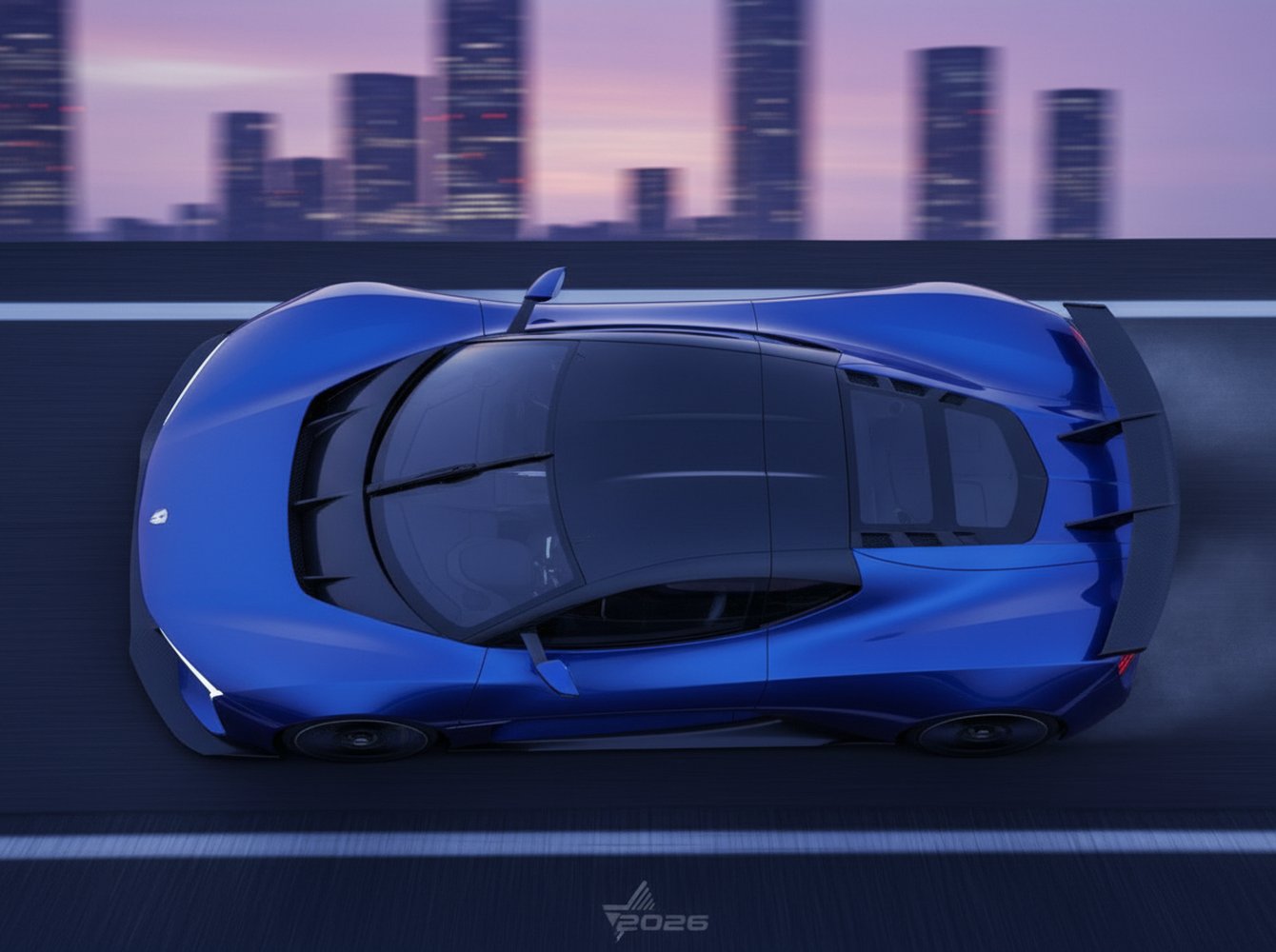
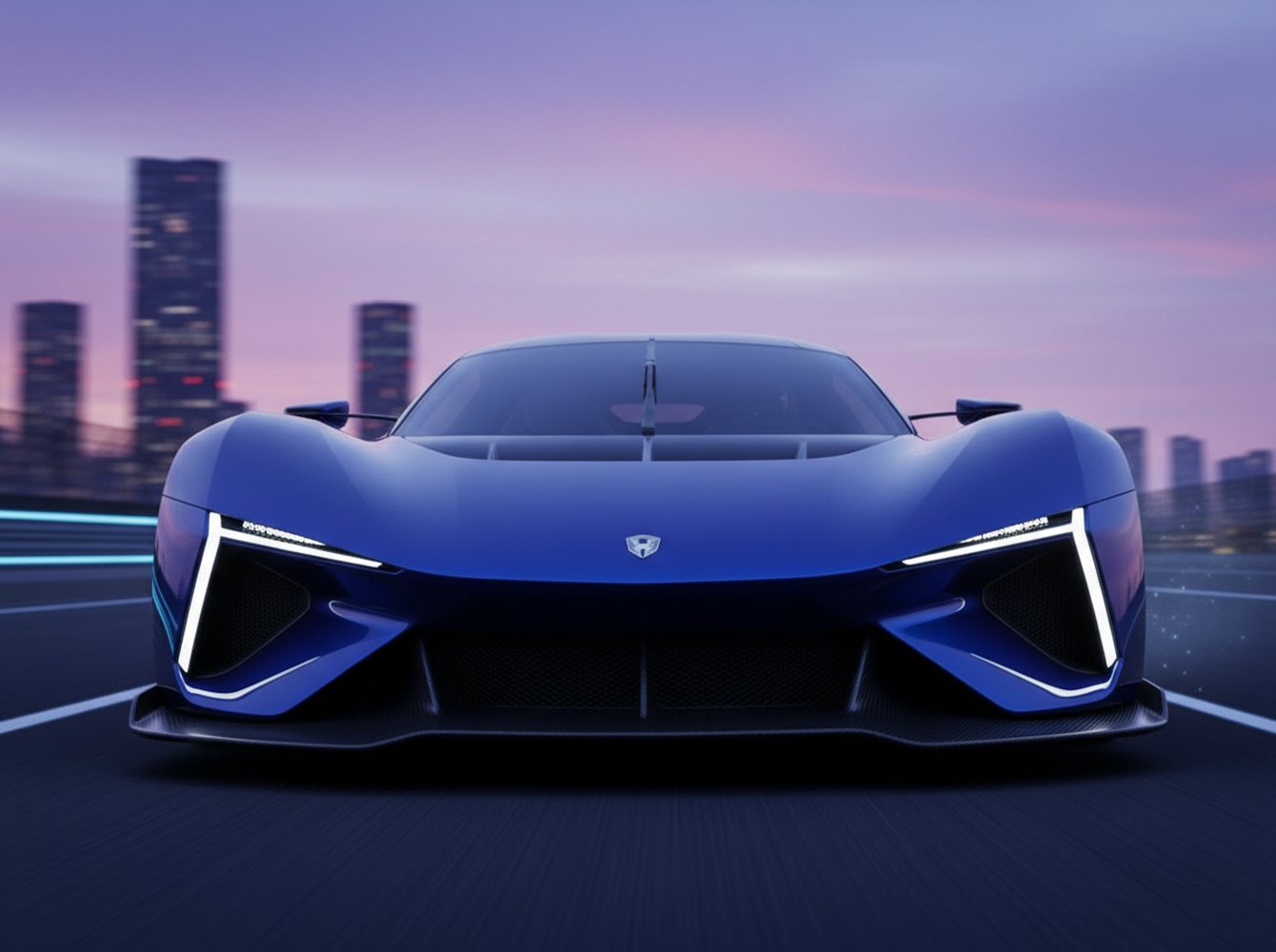
The Owl’s silhouette is dictated purely by aerodynamic necessity. Standing at a mere 99 centimeters tall, its impossibly low profile is crafted from a full carbon fiber monocoque chassis, ensuring extreme rigidity and minimal weight. Every curve and vent serves to manage airflow, channeling it for maximum downforce while an active rear wing deploys at speed for stability. Inside, the cockpit is a minimalist shrine to performance, with exposed carbon fiber, bespoke switchgear, and digital displays focused solely on delivering critical data to the driver.
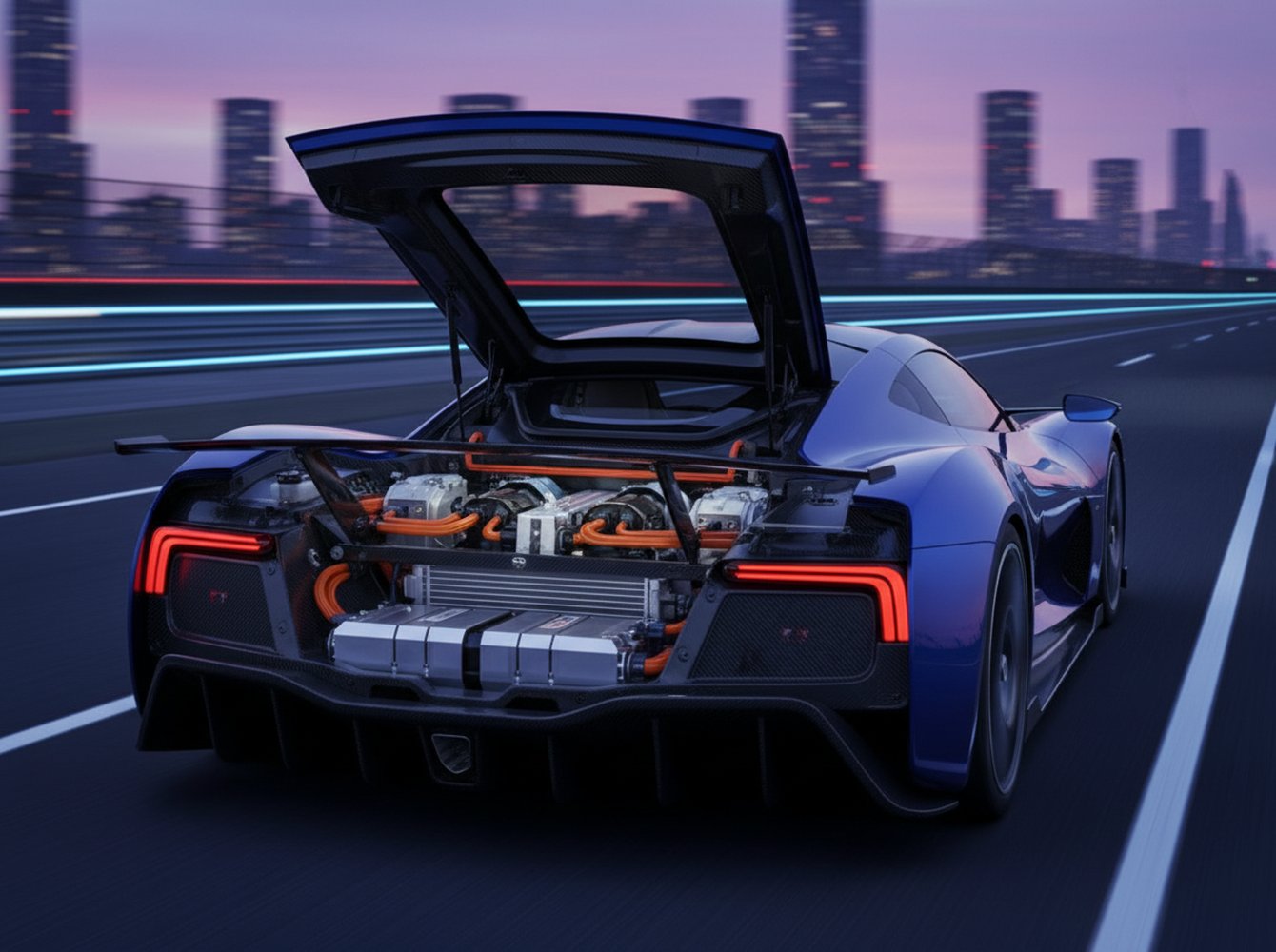
At its core lies a revolutionary powertrain: four permanent magnet synchronous motors, one for each wheel, that collectively generate an astonishing 1,985 horsepower and 2,000 Nm of torque. This quad-motor setup enables a sophisticated torque-vectoring system, delivering instantaneous power with surgical precision. The result is a claimed 0-60 mph time of a staggering 1.69 seconds, a figure that challenges the laws of physics and the limits of tire adhesion. The compact 64-kWh battery pack is engineered for rapid power discharge rather than extended range, prioritizing explosive performance over all else.


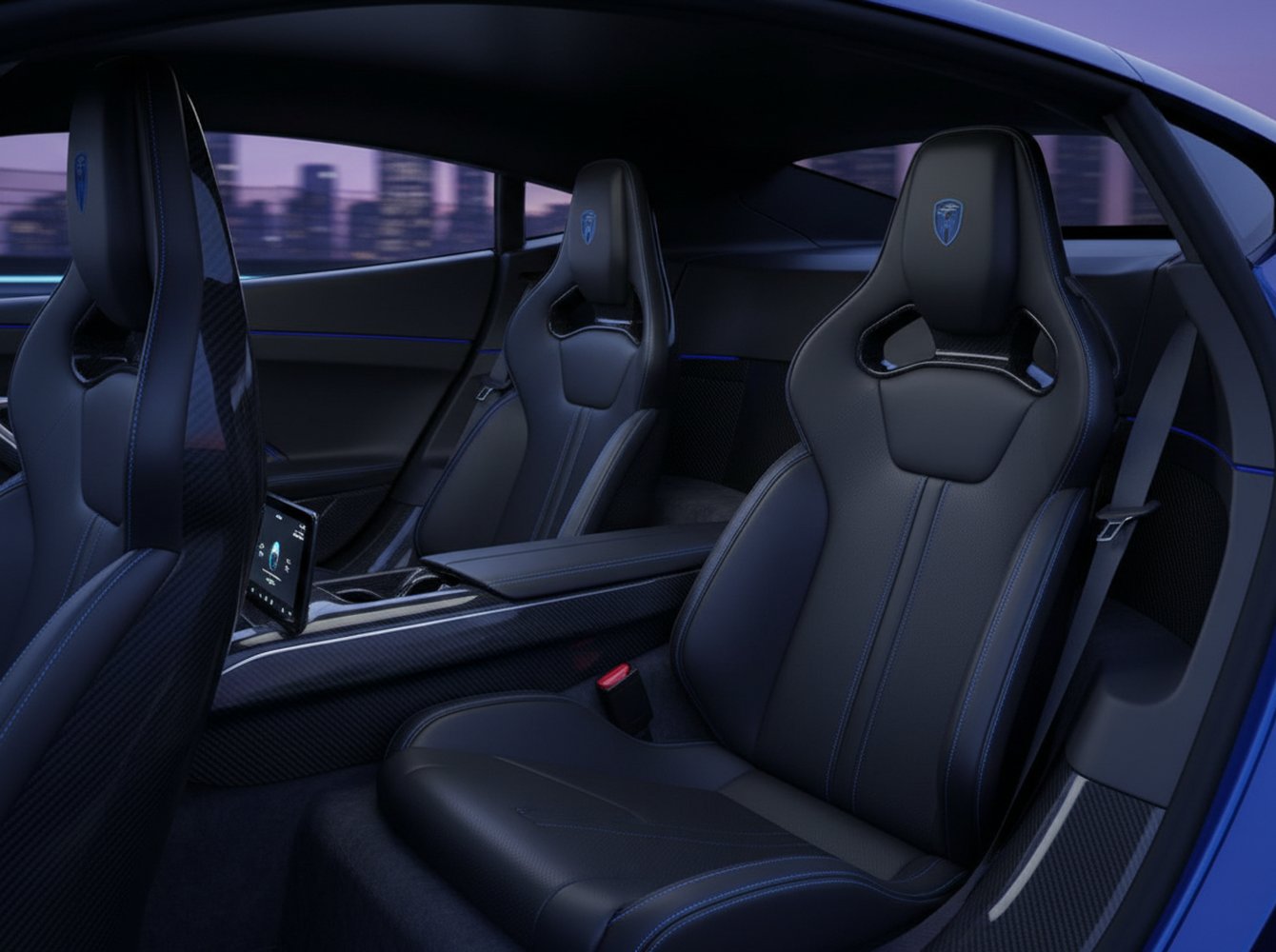
Inside the Owl, functionality reigns supreme. The cabin eschews large, distracting infotainment screens for a streamlined digital gauge cluster that keeps the driver’s attention fixed on the road ahead. Seating is form-fitting and supportive, essential for handling the extreme G-forces the car can generate. While not a grand tourer, the meticulous craftsmanship and use of premium materials ensure the focused environment feels exclusive and purposeful, a true cockpit built for a singular mission: speed.
In a market populated by giants like the Rimac Nevera and Pininfarina Battista, the Aspark Owl carves its niche through sheer, unadulterated acceleration. It forgoes compromises, positioning itself as the undisputed king of the straight line. For U.S. buyers seeking the ultimate expression of electric performance and exclusivity, the Owl offers a unique proposition—a collector’s piece representing a pivotal moment in EV capability, backed by Japanese precision engineering.
Beyond the raw numbers, the Owl’s technology is deeply impressive. Its unique battery system is designed for a peak output of 1,300 kW, allowing for the violent discharge needed for its record-breaking sprints. The hydraulic suspension system is fully adjustable, allowing the ride height to vary from 80mm to 160mm, while the carbon-ceramic brakes with 10-piston front calipers provide the necessary stopping power to tame its immense velocity. This is not just brute force; it’s a highly controlled and technologically advanced system.


The Aspark Owl is an exercise in engineering extremism. While its 280-mile (NEDC) range might seem limited next to competitors, this is a deliberate trade-off. By using a smaller, lighter battery, Aspark prioritized the power-to-weight ratio crucial for its acceleration goals. This makes the Owl less of an all-around hyper-GT and more of a specialized instrument, a land-based missile designed to dominate a very specific, and very thrilling, performance metric. It’s a hypercar that knows exactly what it is and makes no apologies for it.
The 2026 Aspark Owl is more than just another electric hypercar; it is a declaration that the outer limits of automotive performance are still waiting to be explored. With its limited production run of just 50 units, it guarantees exclusivity. The Owl will be remembered as the car that brought the sub-two-second 0-60 mph time from theory into reality, securing its place in automotive history and establishing Aspark as a formidable, if highly focused, new player on the world stage.


1. What is the official 0-60 mph time for the 2026 Aspark Owl?
The manufacturer claims a 0-60 mph time of 1.69 seconds, achieved on street-legal tires under specific conditions, making it one of the fastest-accelerating cars ever produced.
2. How many Aspark Owls will be produced?
Production is extremely limited to just 50 units globally, ensuring its rarity and status as a collector’s item.
3. Is the Aspark Owl practical for regular road use?
No. With its extreme performance, ultra-low ground clearance, and stiff ride, the Owl is a purpose-built hypercar designed for optimal conditions and track environments, not for daily commuting.
4. How does the Aspark Owl’s battery and range compare to its rivals?
The Owl uses a smaller 64-kWh battery pack focused on maximum power output, resulting in a modest range of around 280 miles (NEDC). Rivals like the Rimac Nevera use much larger batteries (120 kWh) for a longer range, positioning them more as hyper-GTs, whereas the Owl is a pure acceleration specialist.
Share this article
Help other drivers discover this story.