
2026 Kode57 Enji – Coachbuilt Unveiled: Radical, Breakthrough Open-Top Aerodynamics, and Hidden Details Buyers Must Know — Starting at $3.2M
The 2026 Kode57 Enji – Coachbuilt arrives as a hand-built, open-top statement piece that fuses old-world coachbuilding with modern, track-proven engineering. It is purposefully rare, obsessively detailed, and engineered to deliver unfiltered V12 theater with real-world drivability. The message is clear: this atelier is doubling down on analog emotion, race-bred aero, and curated luxury—now tailored for discerning U.S. buyers.
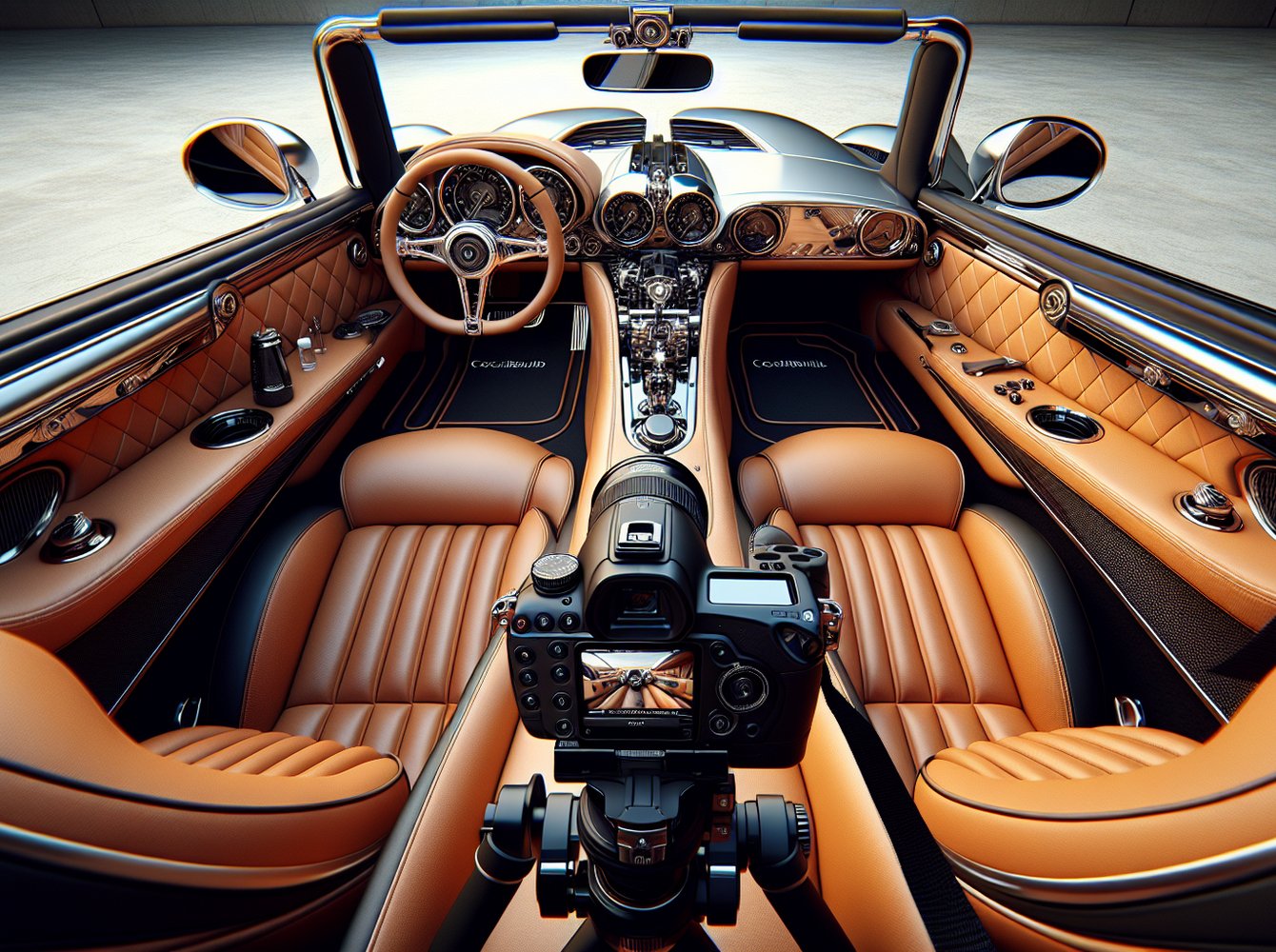
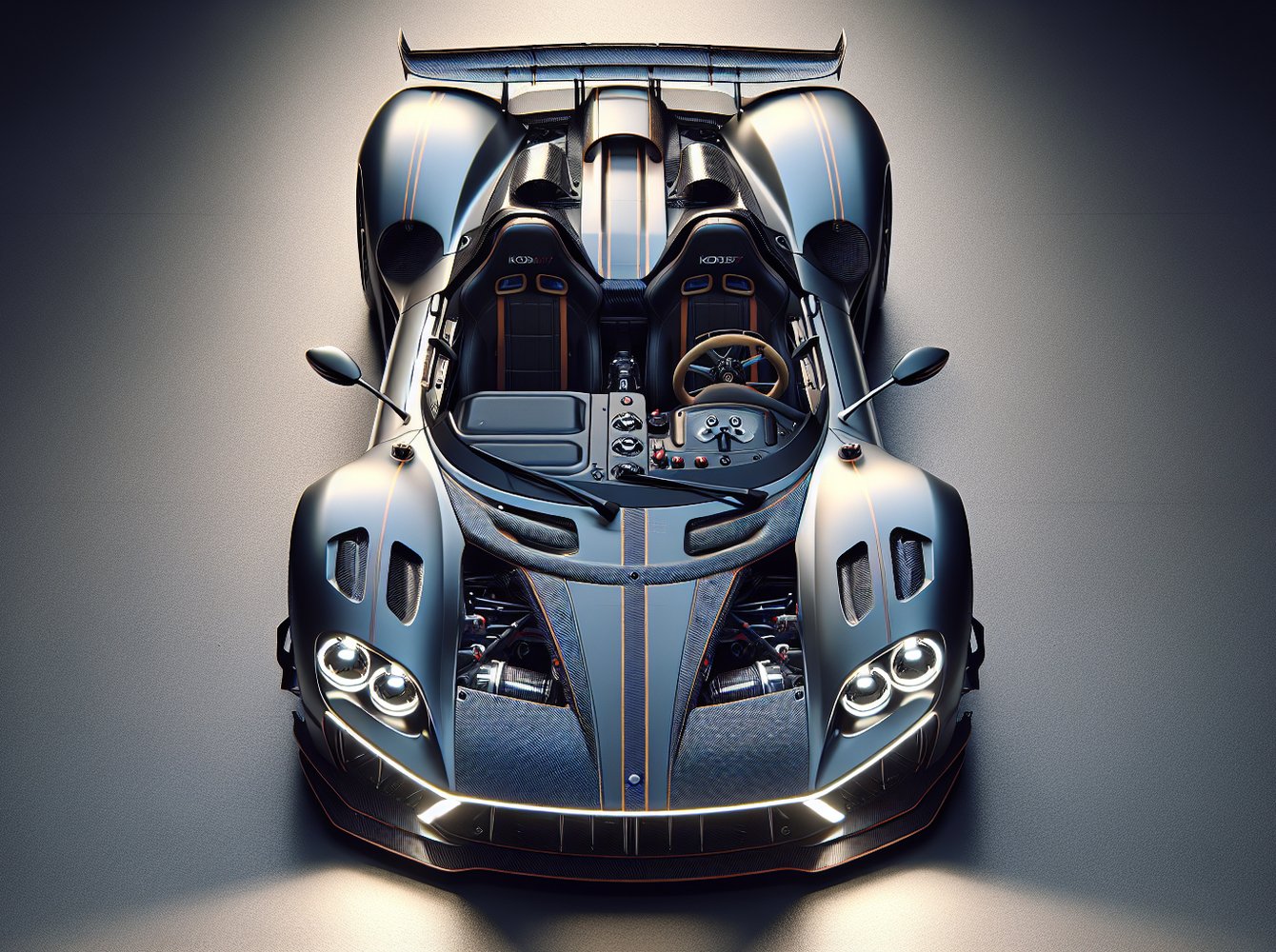
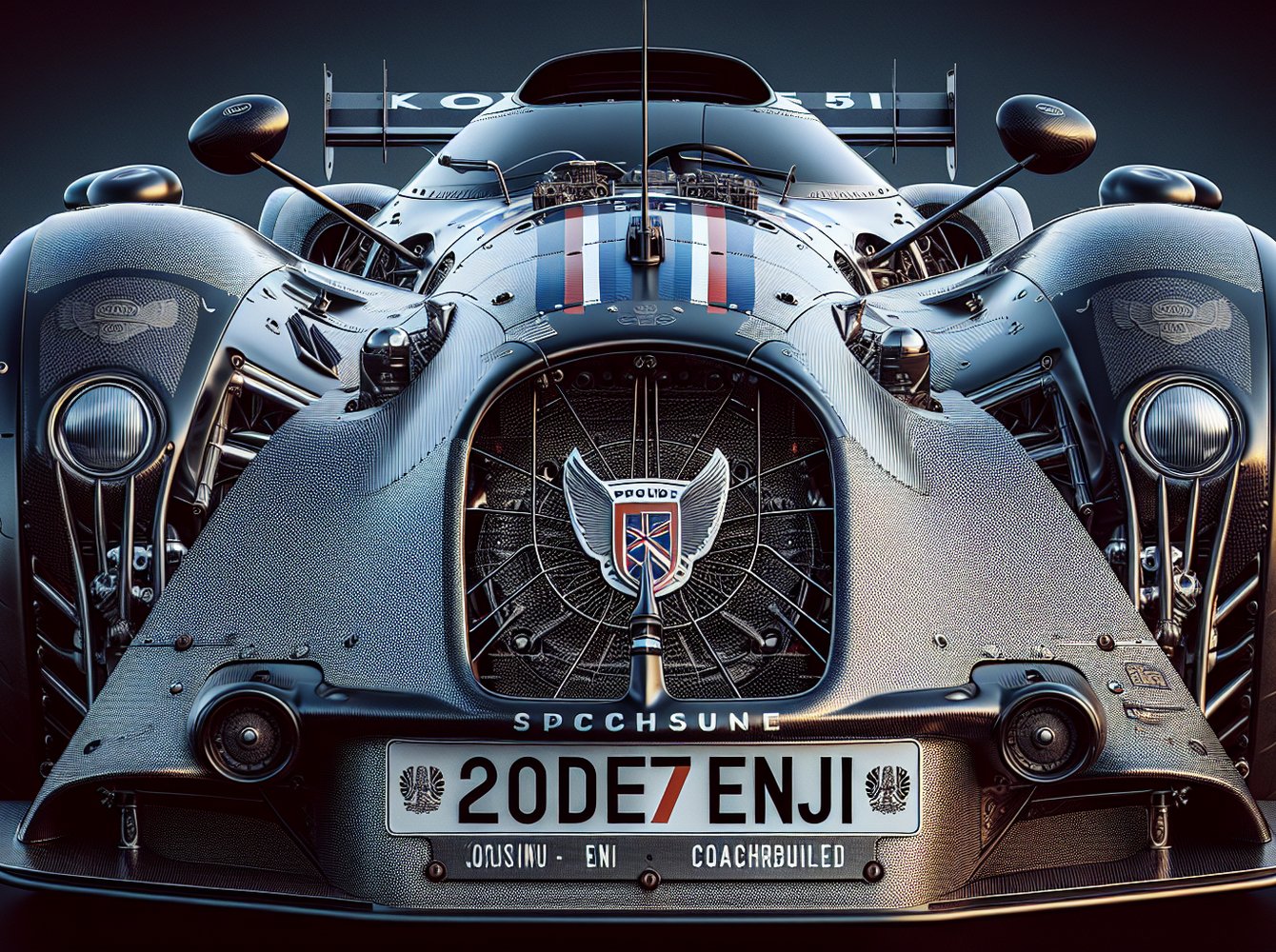
Visually, the Kode57 Enji – Coachbuilt channels mid-century racing cues—long nose, coved fenders, and twin rear buttresses—refined in a modern wind tunnel. The ultra-low aeroscreen, deeper side scallops, and a floating rear deck manage pressure zones to stabilize the car at speed without resorting to towering wings. Autoclaved carbon-fiber panels (herringbone optional) bond to reinforced sections for stiffness, while titanium fasteners and forged magnesium wheels trim mass where it matters. Inside, hand-cut hides, exposed weave, and milled-metal switchgear deliver a jewel-box cabin with contemporary ergonomics.
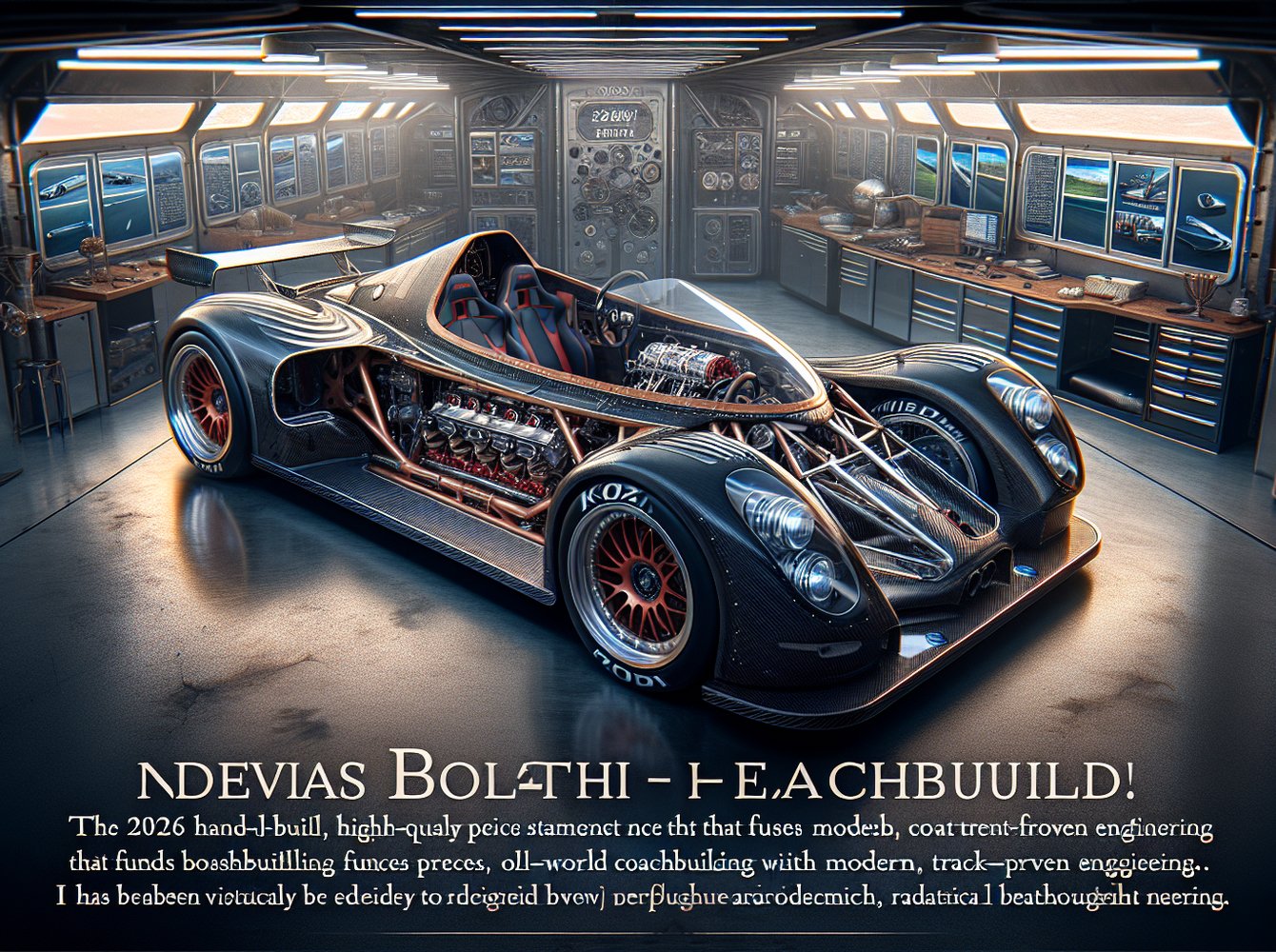
Under its sculpted skin, the Kode57 Enji – Coachbuilt retains a front-mid-mounted, naturally aspirated 6.5-liter V12 producing a claimed 819 hp at 8,800 rpm and 530 lb-ft at 7,000 rpm. Power meets a 7-speed dual-clutch transaxle with a mechanical locking strategy tuned for fast, progressive engagement. With a dry weight target near 3,150 pounds (curb around 3,350), the figures are suitably extreme: 0–60 mph in an estimated 2.8 seconds, 0–124 mph in 7.6, and a top speed of 211 mph, aided by an Inconel exhaust that breathes freely while staying within U.S. noise compliance.


Chassis tuning focuses on rigidity and response. The aluminum spaceframe receives carbon reinforcement in the sills, cowl, and rear bulkhead for a torsional-stiffness gain of roughly 15% over the donor architecture. Fourth-generation magnetorheological dampers, revised spring rates, and rear-wheel steering sharpen turn-in while maintaining ride compliance. Carbon-ceramic rotors—410 mm front, 390 mm rear—with multi-piston calipers and a brake-by-wire module deliver relentless fade resistance, while forged wheels and hollow sway bars reduce unsprung mass by about 18 pounds total.

Comfort is not an afterthought. The Kode57 Enji – Coachbuilt’s aeroscreen employs a laminated, heat-rejecting layer and discreet vortex generators that reduce cockpit buffeting by up to 30% versus a conventional speedster layout. Removable side deflectors and an adjustable center wind blade help keep cabin airflow calm at highway speeds. Deep-bolstered seats with multi-density foam, dual-zone climate control, and acoustic damping in the cowl and rear bulkhead make longer drives viable. A compact yet high-resolution driver display, wireless charging, and seamless smartphone integration complement a lightweight audio system designed for open-air acoustics.
In a field of seven-figure exotics, the Kode57 Enji – Coachbuilt stands out by pairing a high-revving, naturally aspirated V12 with legitimate aerodynamic science and artisan build quality. U.S. buyers get relevance in the form of predictable dynamics on real roads, concierge servicing, and compliance support for registration. The formula is unapologetically focused: analog feel, modern control logic, and a body that reads like a limited-series sculpture you can drive hard.


Technology integrates where it adds speed and confidence. The chassis brain uses a 6-axis IMU, predictive algorithms, and GPS-referenced logic to pre-condition damping for crests and compressions. A third-generation e-differential strategy meters torque across the rear axle, while stability control offers multi-stage slip targets that widen on track modes. Aerodynamically, underfloor Venturi sections, pressure-relief louvers, and subtle active elements behind the buttresses maintain near-zero lift with a measured 180 pounds of downforce at 155 mph. Hidden details include 3D-printed titanium hinge brackets, ceramic thermal barriers around the firewall, and quick-release panels for rapid servicing. There is no heavy hybrid pack—by design. A lightweight lithium battery, efficient stop/start, and advanced thermal management keep mass low and response immediate.
From the driver’s seat, the Kode57 Enji – Coachbuilt feels meticulously tuned rather than merely loud. Steering loads naturally and builds progressively; the brake pedal is short, firm, and consistent; the rear-steer system tightens hairpins without making the car feel nervous at freeway speeds. Compared with other ultra-rare open cars, the Enji’s aero calm is notable—conversation at 70 mph is realistic with deflectors in place—and the chassis resists mid-corner heave with the kind of body control that lets you exploit the V12’s upper revs. It is less about lap records and more about sensory clarity: throttle fidelity, induction texture, and a chassis that telegraphs grip honestly.


Final verdict: the 2026 Kode57 Enji – Coachbuilt is a rare blend of romance and rigor. It advances the brand’s philosophy—classic forms validated by modern aerodynamics, mechanical purity supported by smart software, and an ownership experience curated at the commission level. Base pricing starts at $3.2 million before personalization; most builds will exceed that once materials, colors, and track packages are specified. First U.S. deliveries are projected for late 2026, with allocations by application.
Q: How fast is the 2026 Kode57 Enji – Coachbuilt, and what are the key performance numbers?
A: The atelier targets 0–60 mph in about 2.8 seconds, 0–124 mph in 7.6, and a 211-mph top speed, enabled by a front-mid 6.5L NA V12 (approx. 819 hp/530 lb-ft), a 7-speed DCT, rear-wheel steering, and carbon-ceramic brakes.
Q: What is the price, and how does commissioning work for U.S. buyers?
A: Pricing starts at $3.2 million before bespoke options. Commissions are by application; a deposit secures a build slot, with extensive personalization for materials, aero detailing, and chassis calibration. U.S. registration support is included through the brand’s concierge.
Q: Is it hybrid or EV-assisted, and what tech stands out?
A: There’s no hybrid system by design. Standout tech includes predictive magnetorheological damping, a sophisticated e-diff strategy, GPS-informed chassis logic, and aero elements that reduce buffeting while maintaining stability.
Q: When can I get one, and how usable is it for everyday roads?
A: First U.S. deliveries are expected in late 2026, with extremely limited allocations. For road use, the car offers dual-zone climate control, refined NVH work, effective wind management, and practical touches like wireless connectivity and a weekend-size luggage area.
Share this article
Help other drivers discover this story.