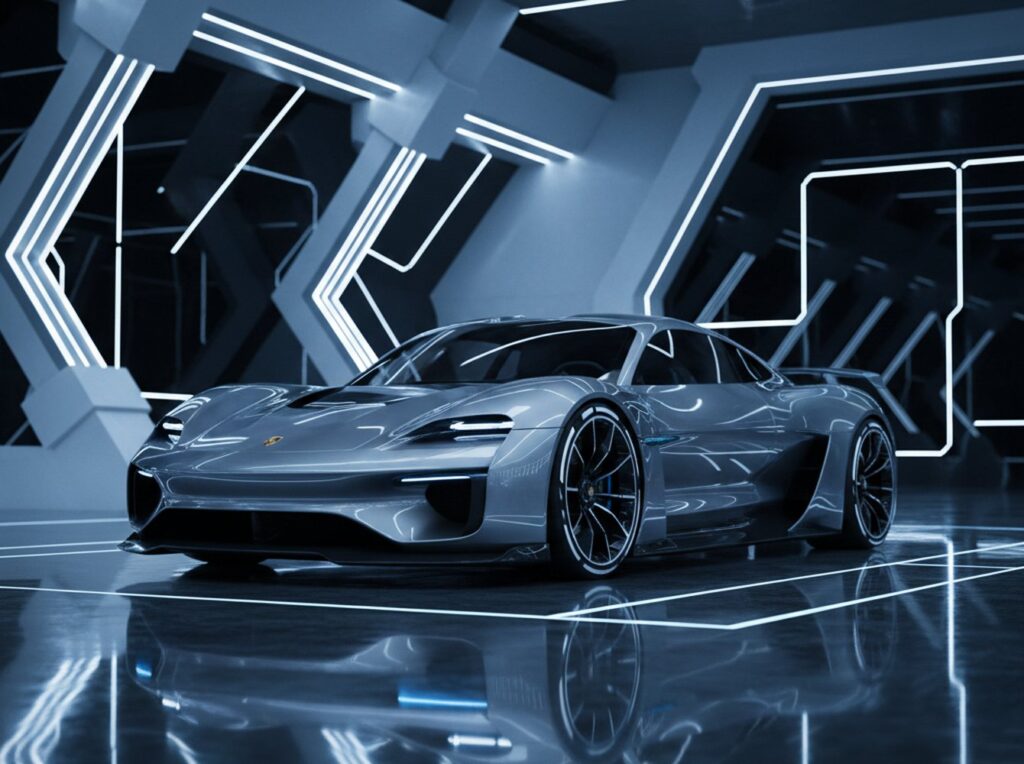
How the New Porsche Mission X Will Be the Fastest Car Ever
Porsche has officially pulled the curtain back on its vision for the future of the hypercar: the 2026 Porsche Mission X. This all-electric concept is a production-intent statement piece, serving as the spiritual successor to icons like the Carrera GT and 918 Spyder. It is engineered with a singular focus—to be the fastest road-legal vehicle ever to lap the Nürburgring Nordschleife, redefining the limits of electric performance.
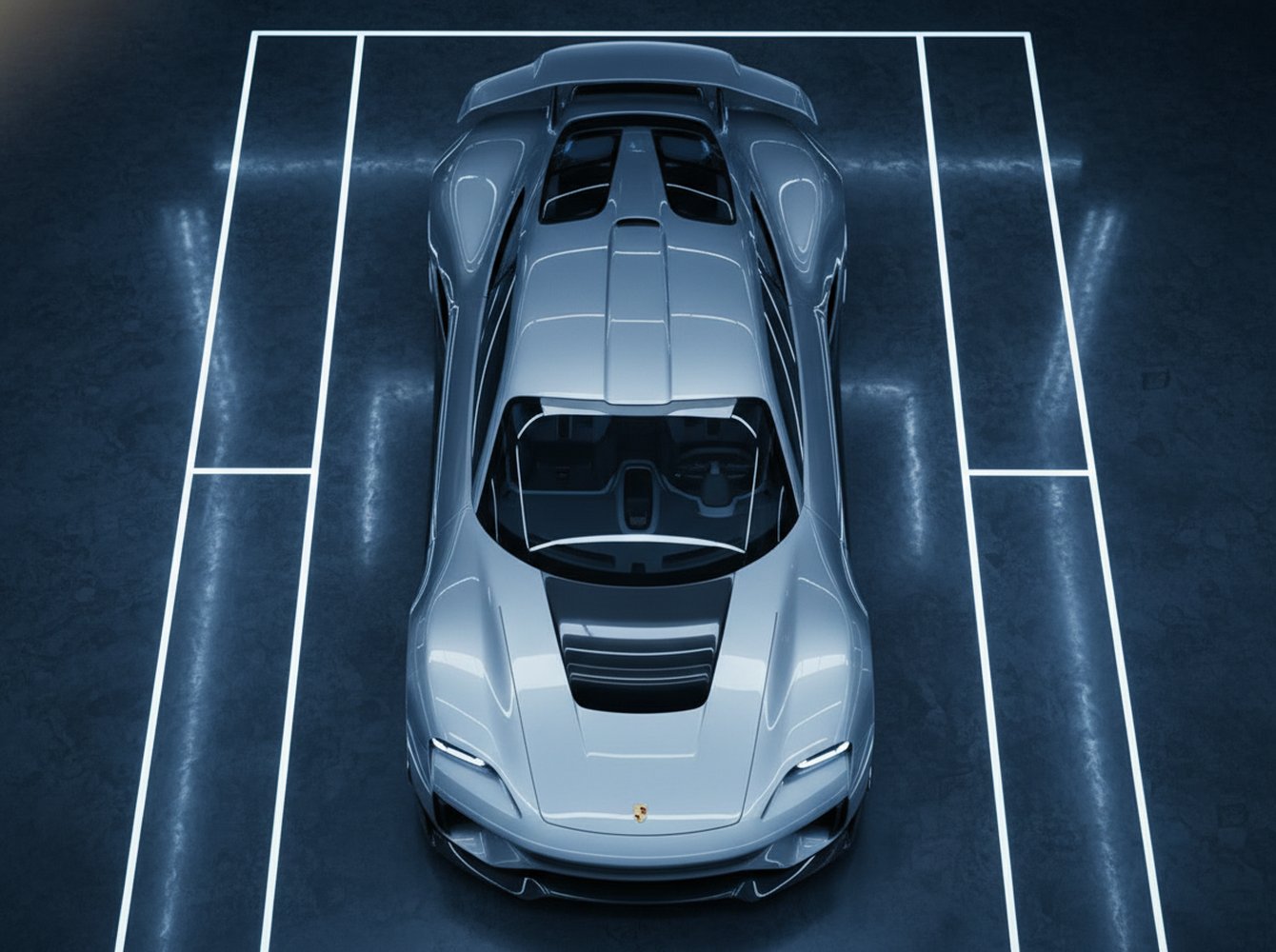
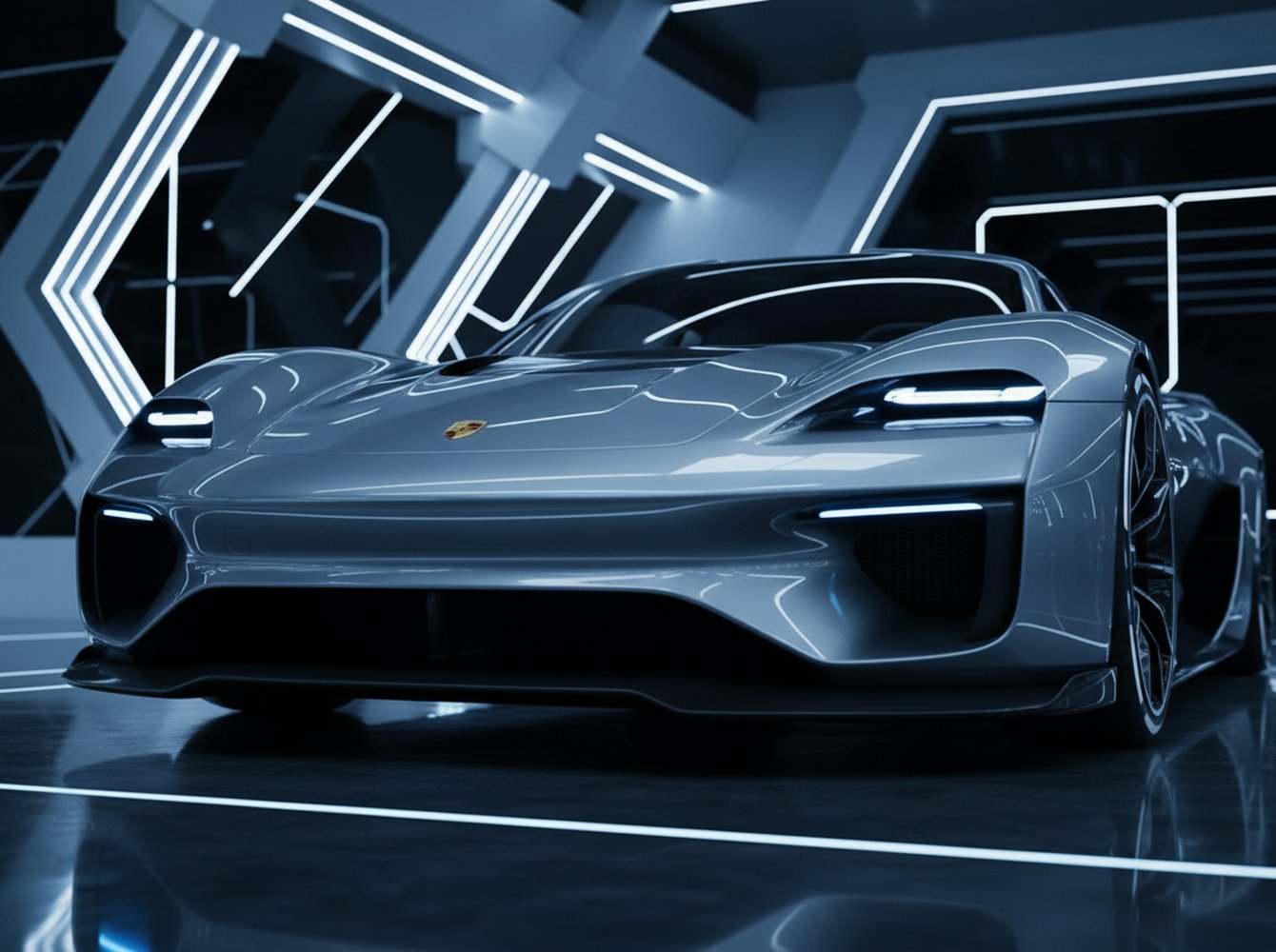
The Mission X boasts a design language born from motorsport. Its Le Mans-style racer silhouette features a lightweight glass dome cockpit and dramatic, upward-swinging doors. The exterior is not merely stylistic; it’s a masterclass in aerodynamics, designed to generate more downforce than the current 911 GT3 RS. Crafted almost entirely from a carbon-fiber reinforced polymer (CFRP) exoskeleton and monocoque, the vehicle prioritizes an extreme power-to-weight ratio.
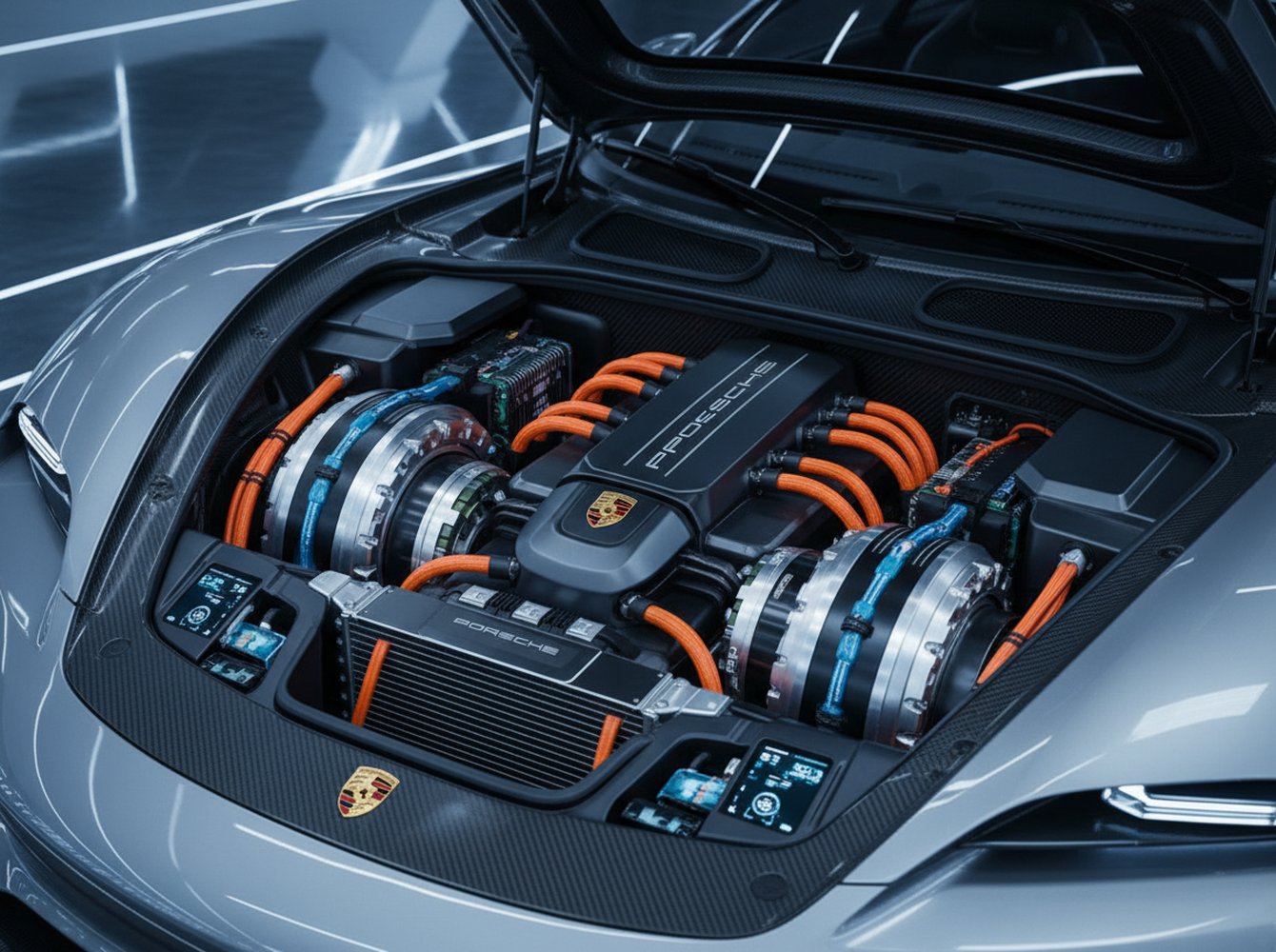
At its core, the Mission X introduces Porsche’s next-generation 900-volt system architecture, a significant leap beyond the Taycan’s 800-volt system. While official horsepower figures are pending, Porsche is targeting a power-to-weight ratio of roughly one metric horsepower per kilogram. With a projected weight around 1,500 kg (3,307 lbs), this translates to an astounding 1,500 hp. The innovative ‘e-core’ battery layout is installed centrally behind the seats, mimicking the balance of a mid-engine car for superior handling dynamics.


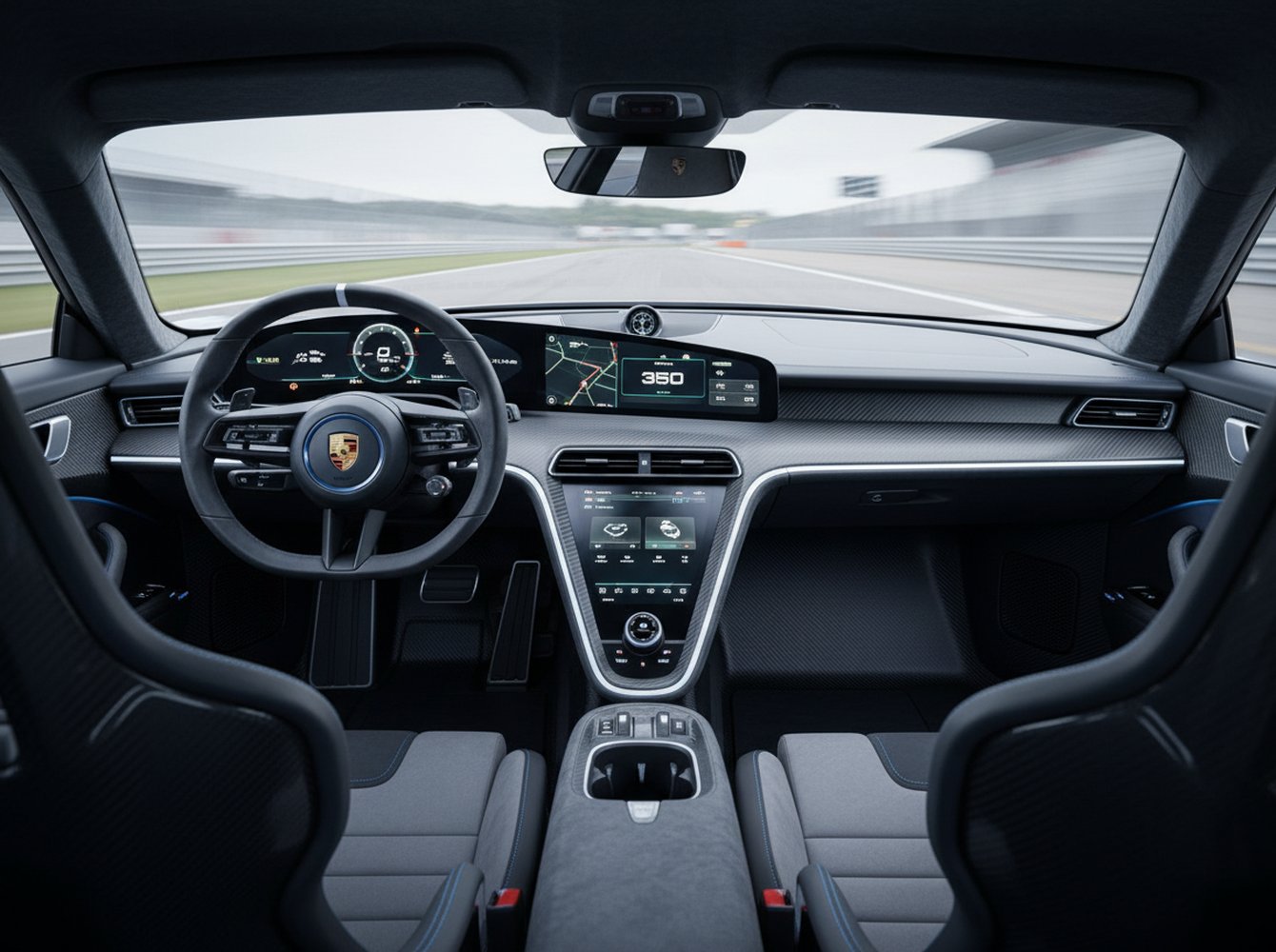
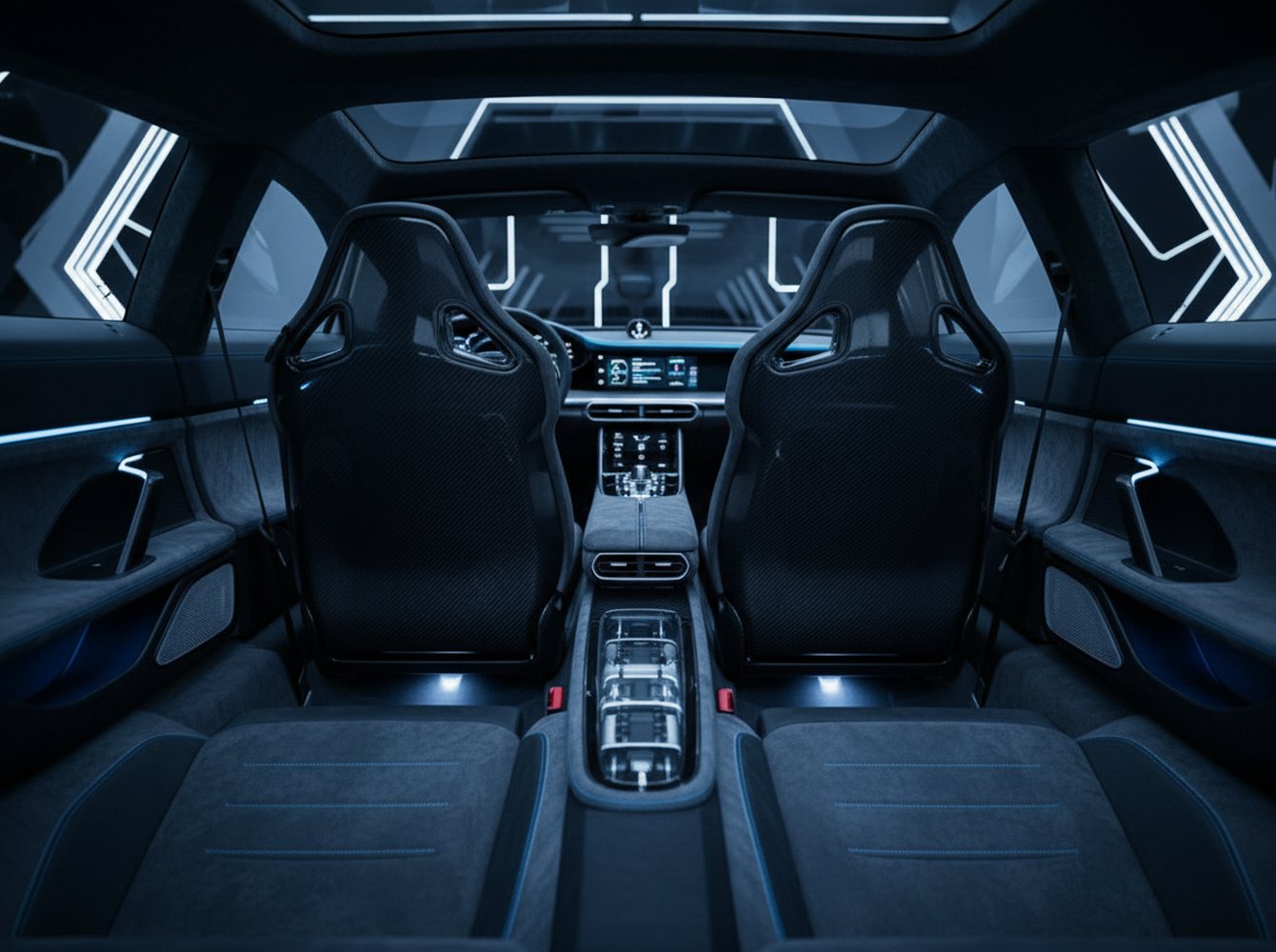
Inside, the cockpit is an asymmetrical, driver-focused environment. Carbon-fiber shell seats are integrated directly into the monocoque, with the pedal box and steering wheel adjusting to the driver. The instrument panel features a curved digital display, while a separate module on the passenger side can display performance data or operate as a navigation screen. This design strips away the non-essential, creating an immersive connection between driver and machine.
In a market populated by electric behemoths like the Rimac Nevera and Lotus Evija, the Mission X carves its own niche. It sidesteps the battle for pure straight-line acceleration, instead championing lightweight construction, aerodynamic supremacy, and dynamic agility. For U.S. buyers, it represents the tangible application of Porsche’s racing heritage to the electric era, proving that EV performance is about more than just 0-60 times; it’s about driver engagement and track-day dominance.
Breakthroughs are embedded throughout the vehicle. The 900-volt system enables charging at nearly twice the speed of a Taycan Turbo S, a critical advantage for track use. The battery cells feature direct oil cooling, a sophisticated thermal management solution ensuring consistent power delivery lap after lap. Furthermore, the car will incorporate an advanced active Drag Reduction System (DRS), a feature directly adopted from top-tier motorsport.


From an expert perspective, the Mission X is Porsche’s definitive answer to the question of emotional resonance in an electric hypercar. Unlike rivals focused on raw output, Porsche is leveraging its legacy of chassis and aero engineering to create a car that feels alive. Its target of a Nürburgring record is not for bragging rights alone; it is a clear signal that the brand’s commitment to superior handling and driver feedback remains its guiding principle, regardless of the powertrain.
Ultimately, the 2026 Porsche Mission X is more than a car; it’s a technological manifesto. It previews the innovations that will define Porsche’s next generation of sports cars, solidifying the brand’s position at the apex of performance engineering. It is a bold declaration that the soul of a Porsche will not be lost in the transition to electricity—it will be amplified.


Q1: What is the official Nürburgring lap time for the 2026 Porsche Mission X?
A: While a final, official time has not yet been recorded, Porsche’s explicit engineering goal is to make the Mission X the fastest road-legal production car ever to lap the Nürburgring Nordschleife, targeting a time below the current record of 6:35.183.
Q2: How does the 900-volt architecture benefit the driver?
A: Primarily through speed and efficiency. It allows for charging speeds roughly twice as fast as the Taycan Turbo S, which can translate to over 150 miles of range in under 10 minutes on a compatible DC fast charger. This drastically reduces downtime during track days or long-distance travel.
Q3: Is the Porsche Mission X intended for daily driving?
A: Not primarily. It is a track-focused hypercar with a rigid carbon-fiber chassis, fixed-back seats, and performance-oriented ergonomics. While it will be fully road-legal, its design prioritizes ultimate performance and handling over the comfort and practicality required for daily use.
Q4: With a projected price over $1.7M, what justifies the cost?
Share this article
Help other drivers discover this story.