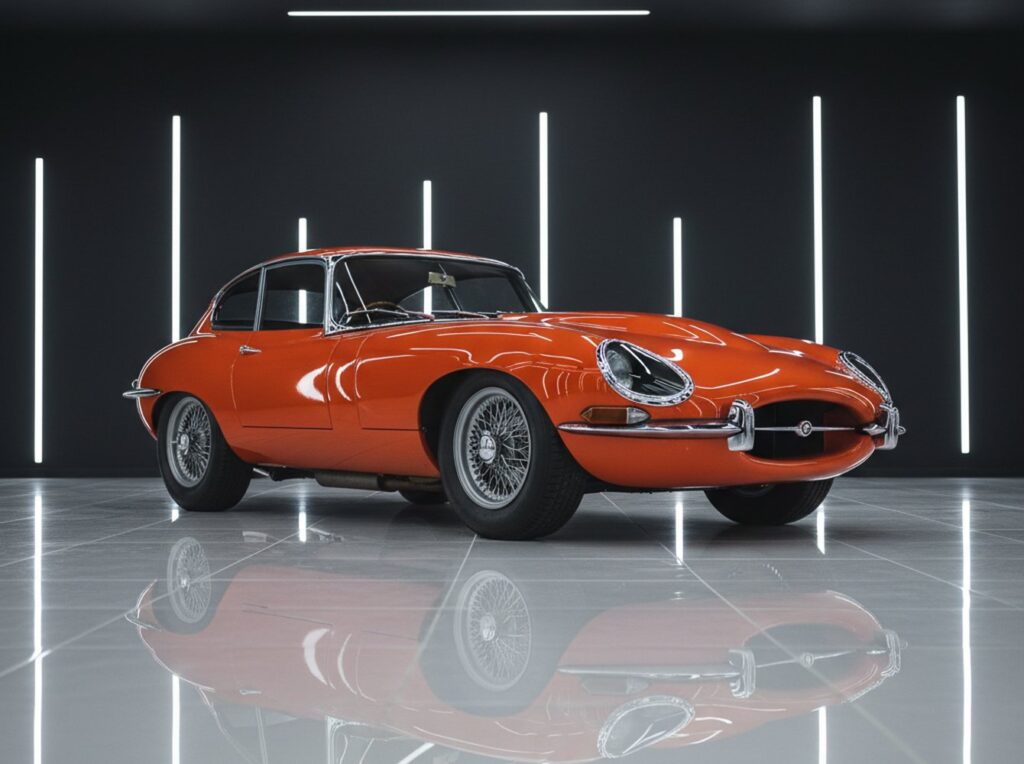
What Makes This Jaguar E-Type Worth $1.8M?
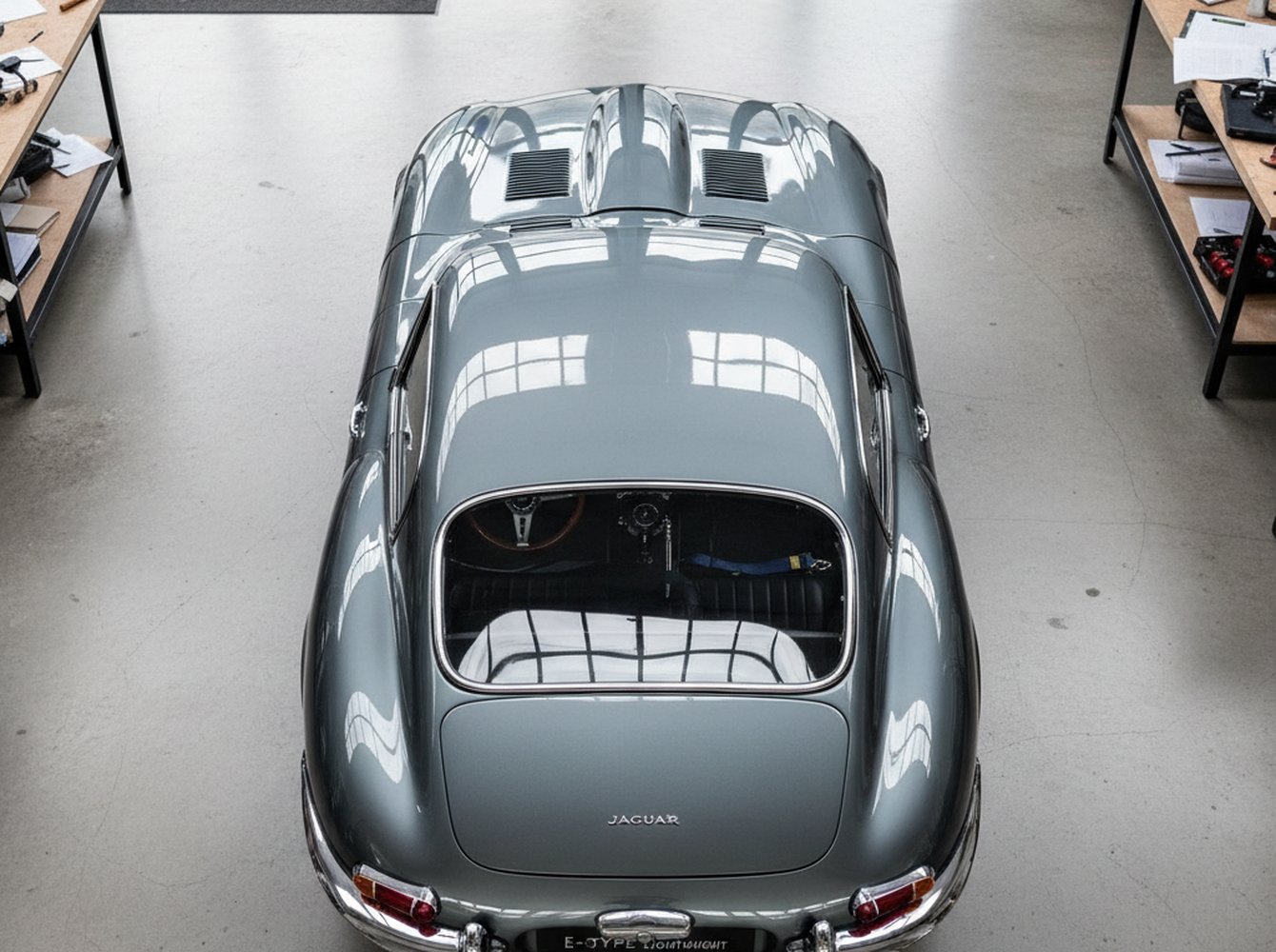
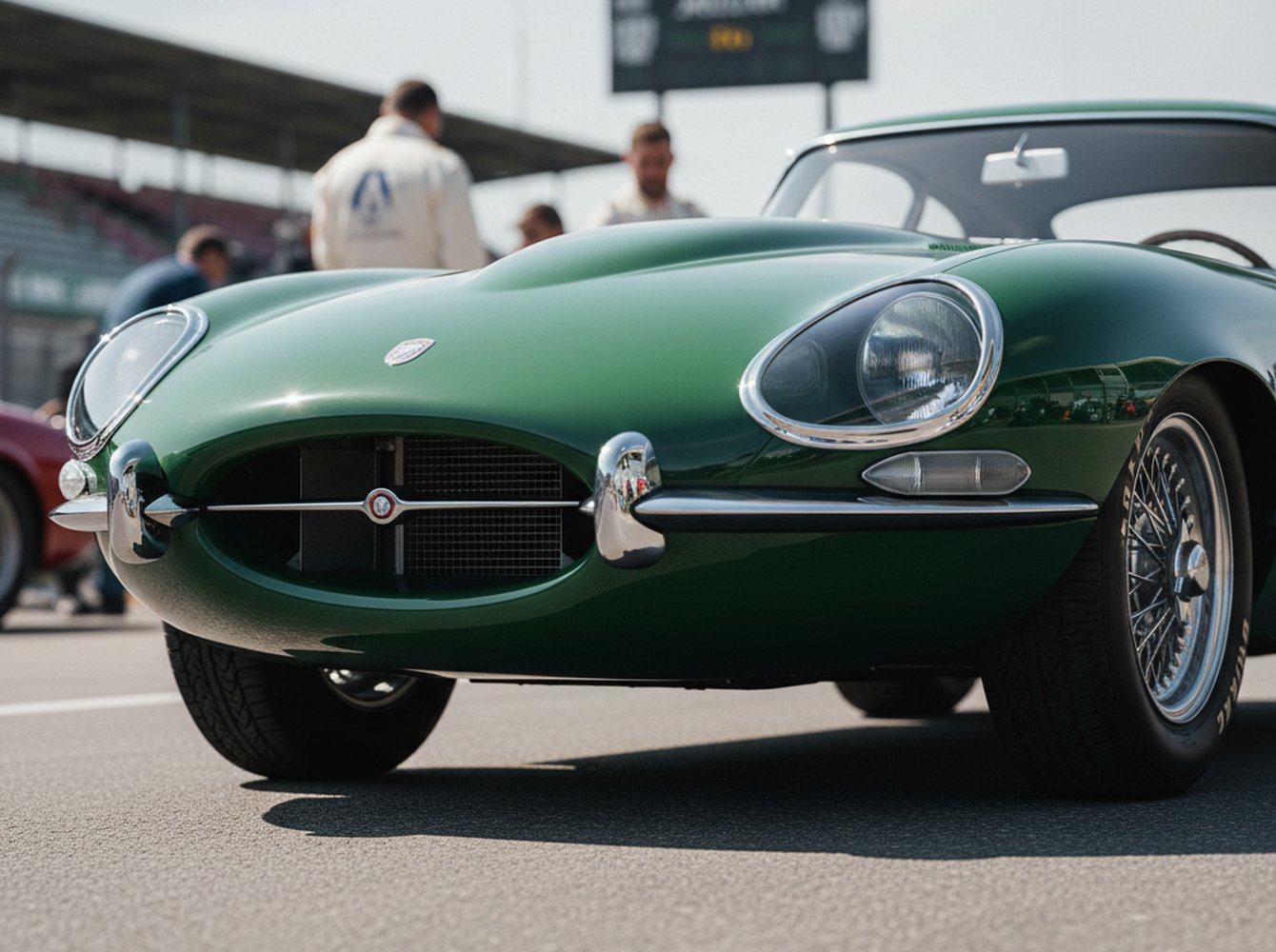
Jaguar Classic has once again delved into its illustrious past, emerging with a breathtakingly authentic continuation of a true racing icon: the 2026 Jaguar E-Type Lightweight. This is not a restomod or a tribute, but a meticulous, tool-room recreation of the original 1963 competition machine, built to the exact specifications that made it a legend on circuits like Le Mans and Sebring. It represents a profound commitment to preserving the brand’s performance heritage for a new generation of discerning collectors.
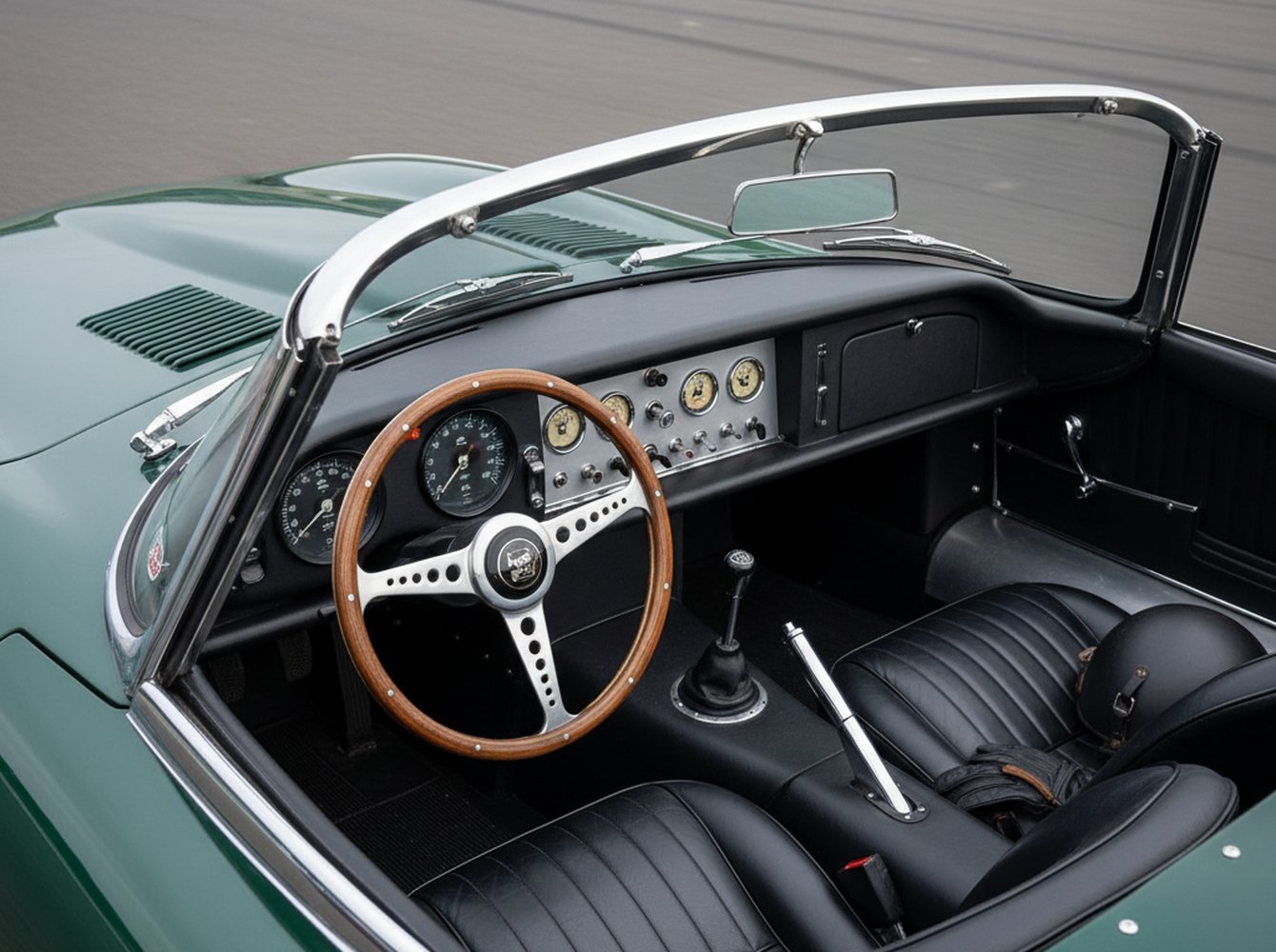
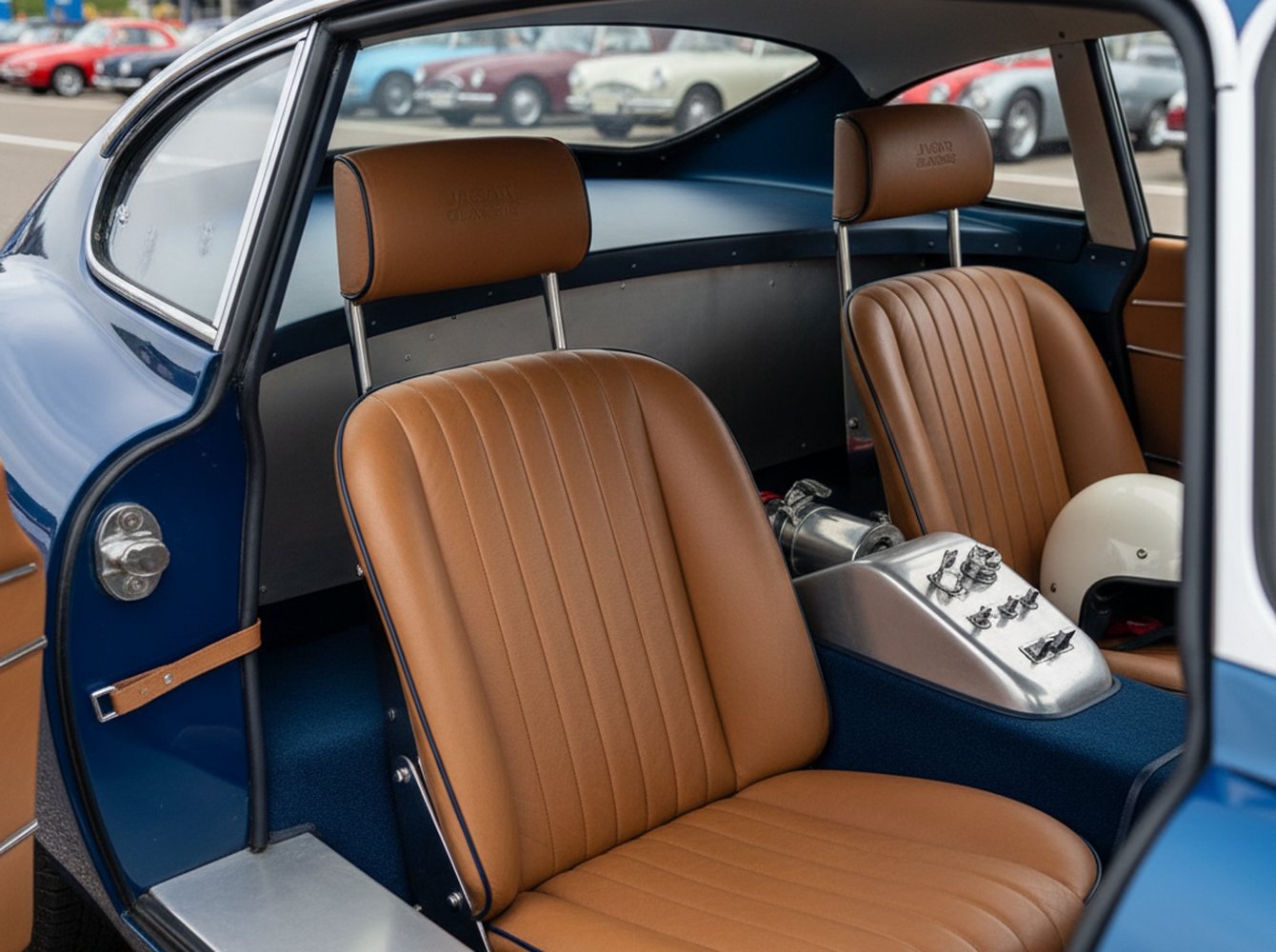
The silhouette is unmistakable, a perfect resurrection of Malcolm Sayer’s aerodynamic masterpiece. Jaguar Classic utilized advanced digital scanning of an original Lightweight to create a flawless CAD model, ensuring every curve and dimension is period-perfect. The body is constructed from hand-rolled, specialized aluminum alloys, just as it was in 1963, forgoing modern composites to maintain absolute authenticity. Inside, the cabin is a shrine to purposeful minimalism, featuring Connolly leather-trimmed bucket seats, a wood-rimmed steering wheel, and toggle switches that offer a tactile connection to a bygone era of motorsport.
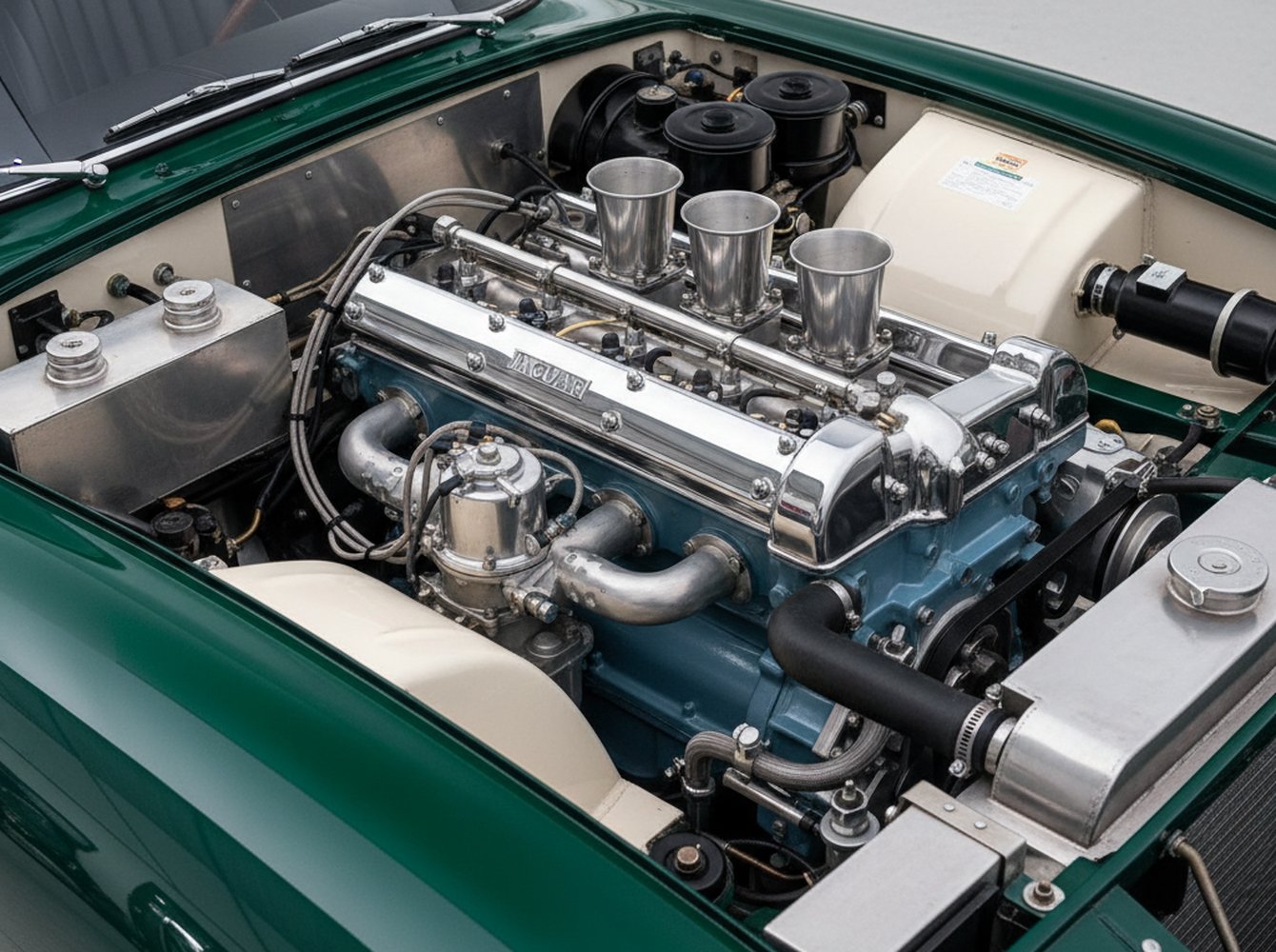
At the heart of the 2026 Lightweight is a recreation of the famed 3.8-liter XK straight-six engine. While externally identical, the block is cast from aluminum and features steel liners, breathing through wide-angle cylinder heads. The soul of its performance, however, is the precisely re-engineered Lucas mechanical fuel injection system, helping the engine produce an estimated 340 horsepower and 280 lb-ft of torque. Power is channeled through a close-ratio, all-synchromesh 4-speed manual gearbox to a Powr-Lok limited-slip differential, promising raw, unfiltered acceleration.


Comfort in the Lightweight is defined by its driver-centric focus, not luxury amenities. The fixed-back racing seats are designed for support under high G-forces, and the pedals are positioned for perfect heel-and-toe work. There is no infotainment system, no climate control—only the essential gauges to monitor the vehicle’s health. The only utility is its singular purpose: to deliver the most engaging and visceral driving experience possible, connecting the driver directly to the mechanics of the machine and the road beneath.
In a market of high-tech supercars, the E-Type Lightweight stands apart through its defiant analog nature. While other continuation projects may add modern conveniences, Jaguar’s approach is one of uncompromising historical accuracy. This vehicle is for the purist who values mechanical feedback over digital interfaces. For U.S. buyers, it offers a rare opportunity to acquire a piece of European racing history, brand new, built by the original manufacturer, without the fragility of a 60-year-old artifact.
The innovation here lies not in adding modern tech, but in using it to perfect the past. Modern metallurgy improves the engine’s durability without altering its character. The chassis and aluminum monocoque are bonded and riveted with a precision impossible in the 1960s, enhancing torsional rigidity while remaining visually identical. This fusion of modern production quality with a vintage design creates a car that is both historically correct and robust enough for spirited track use.


Owning an original Lightweight is to be a custodian of an irreplaceable asset. Owning this 2026 continuation is an invitation to be a participant. Jaguar Classic has solved the collector’s dilemma: the desire to experience a historic race car as its creators intended, without risking an automotive treasure. It is a factory-sanctioned time machine, offering the sound, feel, and soul of the original with the reliability and integrity of a newly built machine. Its value transcends mere performance figures; it’s about the authenticity of the experience.
The 2026 E-Type Lightweight is a powerful statement from Jaguar. It reaffirms the brand’s connection to its competition roots and its mastery of classic automotive craftsmanship. By building a select few of these machines, Jaguar isn’t just selling a car; it’s offering a ticket to relive a golden age of motorsport. This project secures the E-Type’s legacy, proving that true legendary design is, and always will be, timeless.


1. Is the 2026 Jaguar E-Type Lightweight street legal in the U.S.?
Due to its authentic 1963 design and lack of modern safety features and emissions equipment, the continuation E-Type Lightweight is typically sold for private track use or as part of a static collection under ‘show or display’ regulations. It is not generally street legal.
2. How many examples of the 2026 continuation will be produced?
Production is extremely limited, mirroring the exclusivity of the original racing program. While Jaguar Classic has not announced the final number, it is expected to be a single-digit figure, making it one of the rarest vehicles a collector can acquire.
3. How does this continuation model differ from an original 1963 Lightweight?
The primary differences are in the manufacturing process. While the design, materials, and specifications are identical, the 2026 version benefits from modern precision engineering, superior material consistency, and tighter tolerances, resulting in a more durable and reliable vehicle than the original.
Share this article
Help other drivers discover this story.