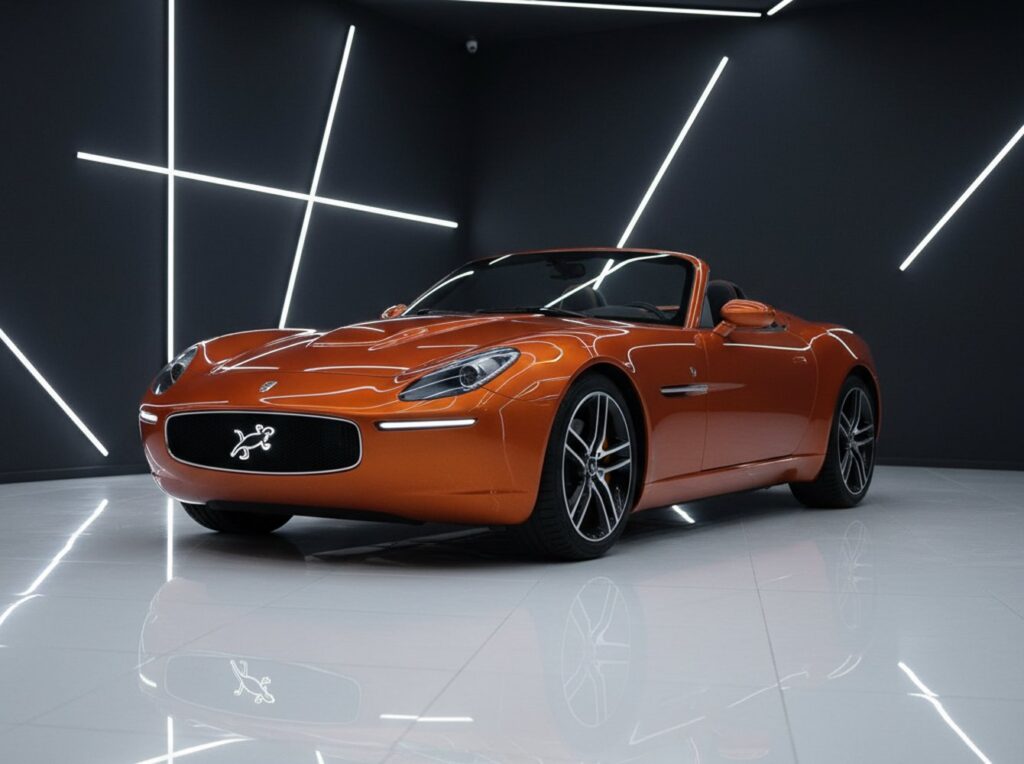
Wiesmann Thunderball: Everything You Need to Know
Wiesmann has returned to the automotive stage with a groundbreaking statement: the 2026 Project Thunderball. This all-electric roadster marks the German marque’s bold entry into electrification, promising to fuse its legacy of classic design and bespoke craftsmanship with next-generation performance technology. It represents not just a new model, but the very rebirth of a brand celebrated for its driver-focused machines.
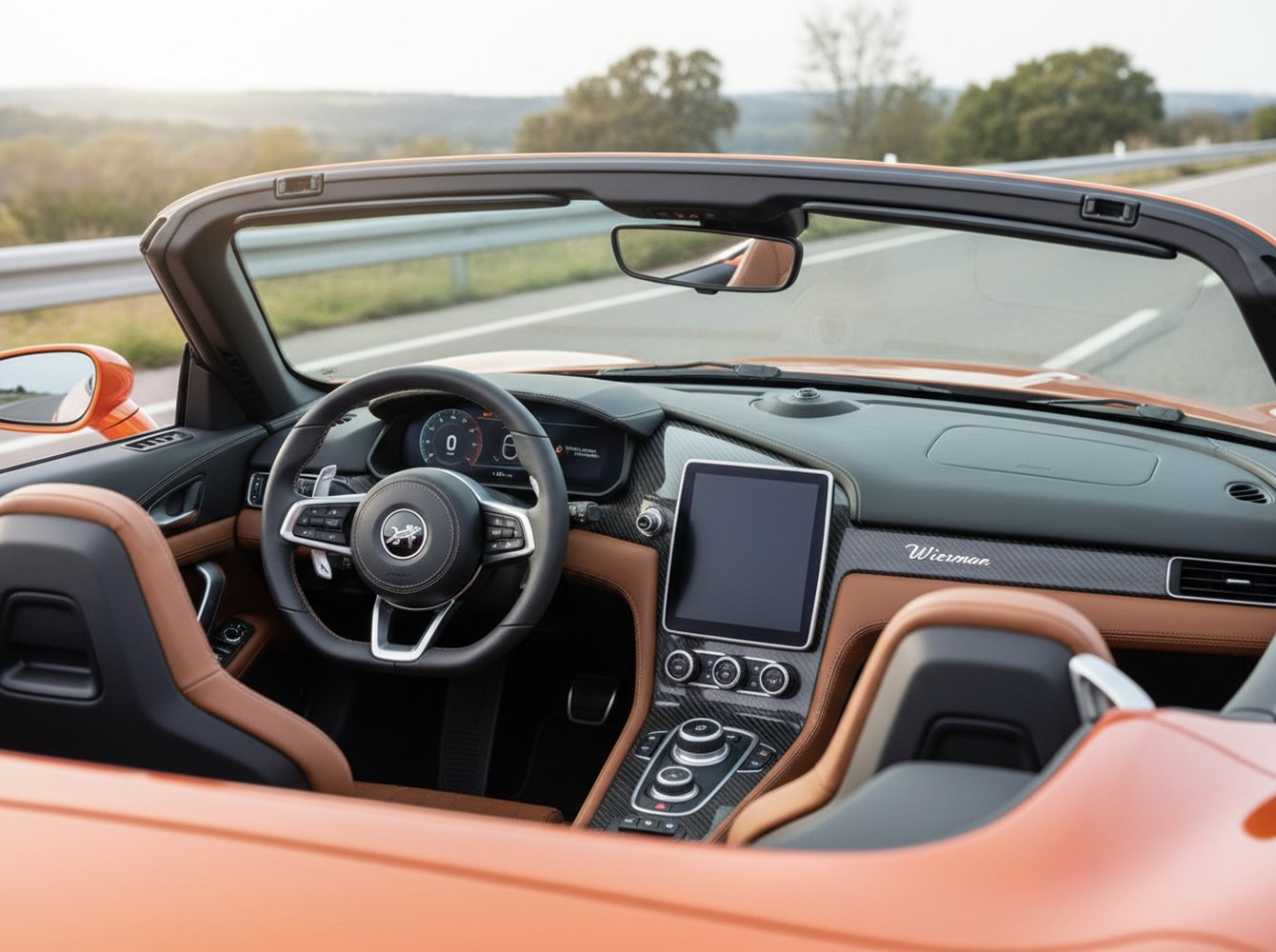
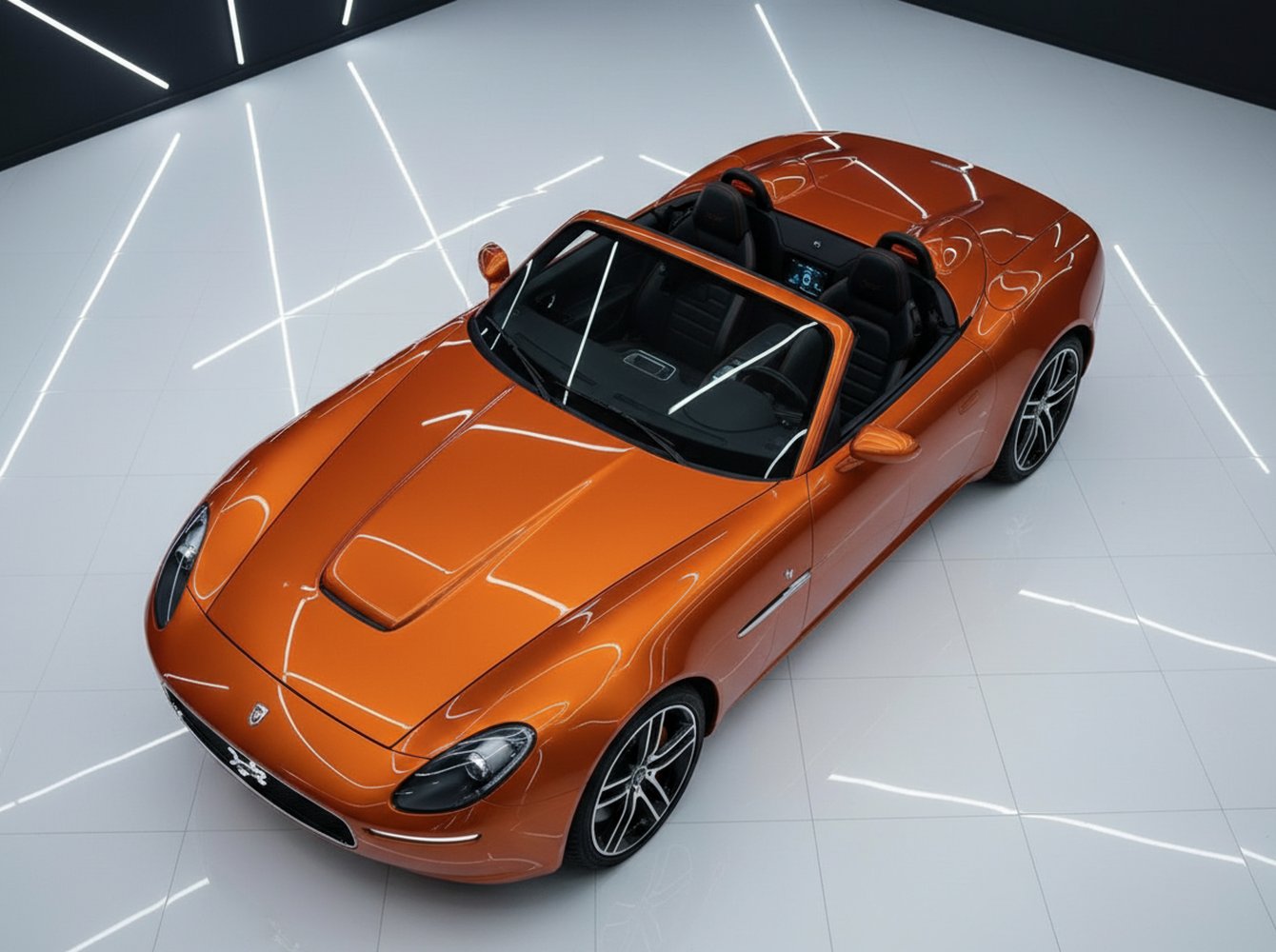
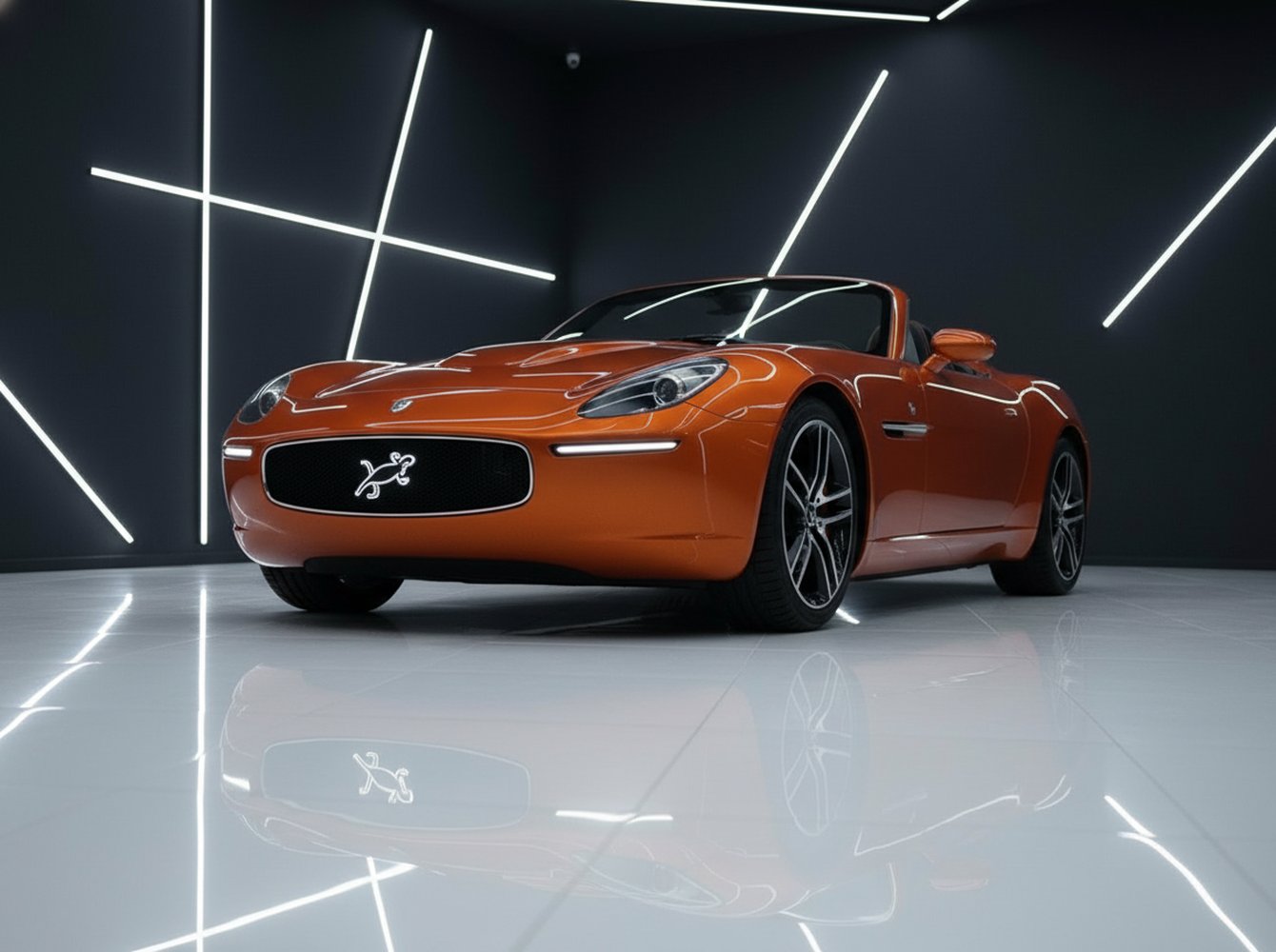
Instantly recognizable, the Project Thunderball retains Wiesmann’s signature long-hood, short-deck proportions. The iconic egg-shaped grille is present, now optimized for aerodynamic efficiency and cooling the advanced battery systems. The body is crafted entirely from carbon fiber, ensuring minimal weight and maximum rigidity, while the interior is a masterclass in modern luxury, blending rich leather and polished metals with a driver-centric digital interface that complements classic analog dials.
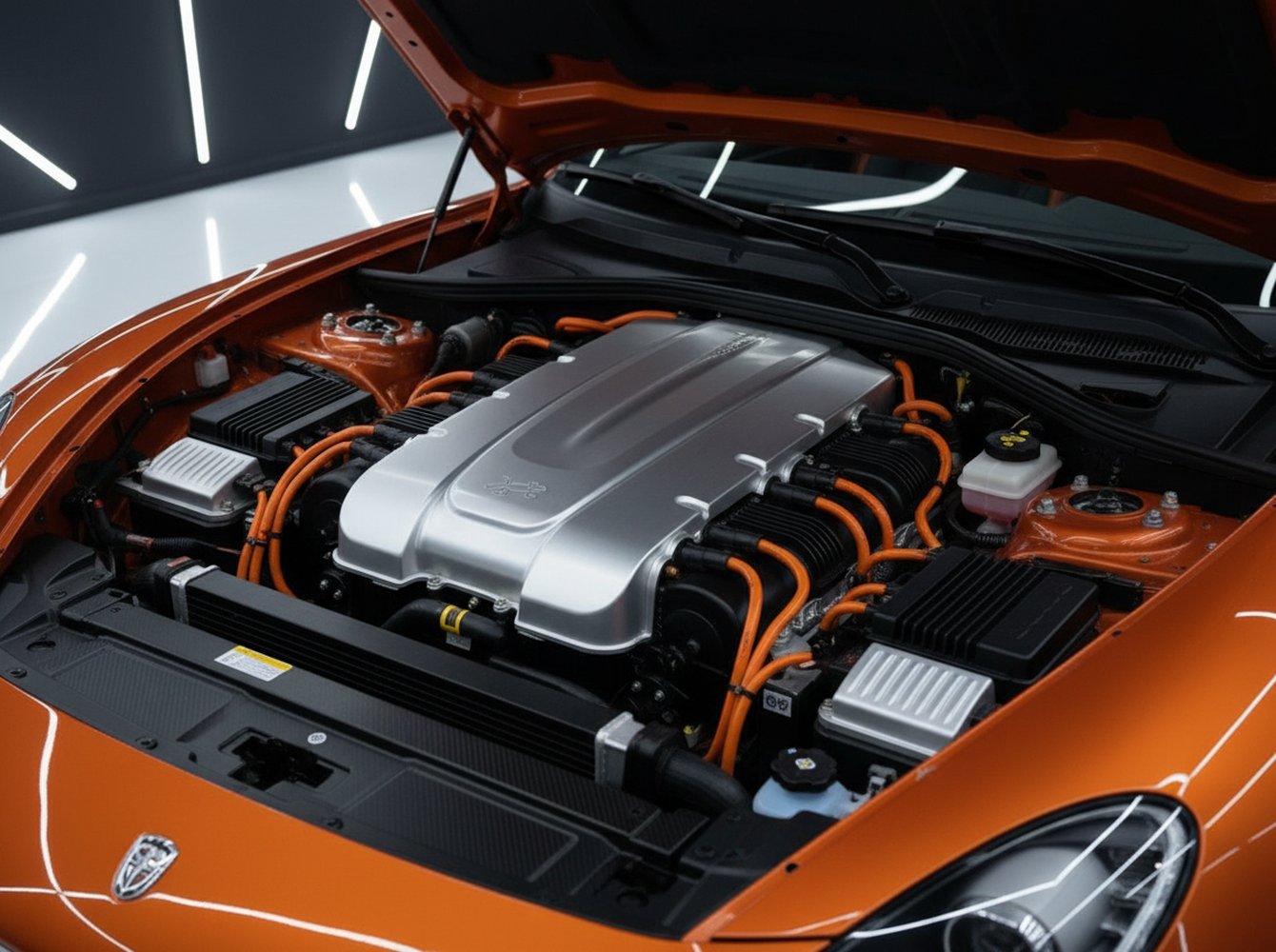
At its heart lies a revolutionary powertrain. Two rear-mounted axial-flux electric motors deliver a combined 671 horsepower and a staggering 811 lb-ft of instant torque, all directed exclusively to the rear wheels for a pure, unadulterated sports car feel. This setup is projected to rocket the roadster from 0-60 mph in a blistering 2.9 seconds. The chassis is supported by a sophisticated adjustable suspension system, ensuring both track-day agility and grand-touring comfort.


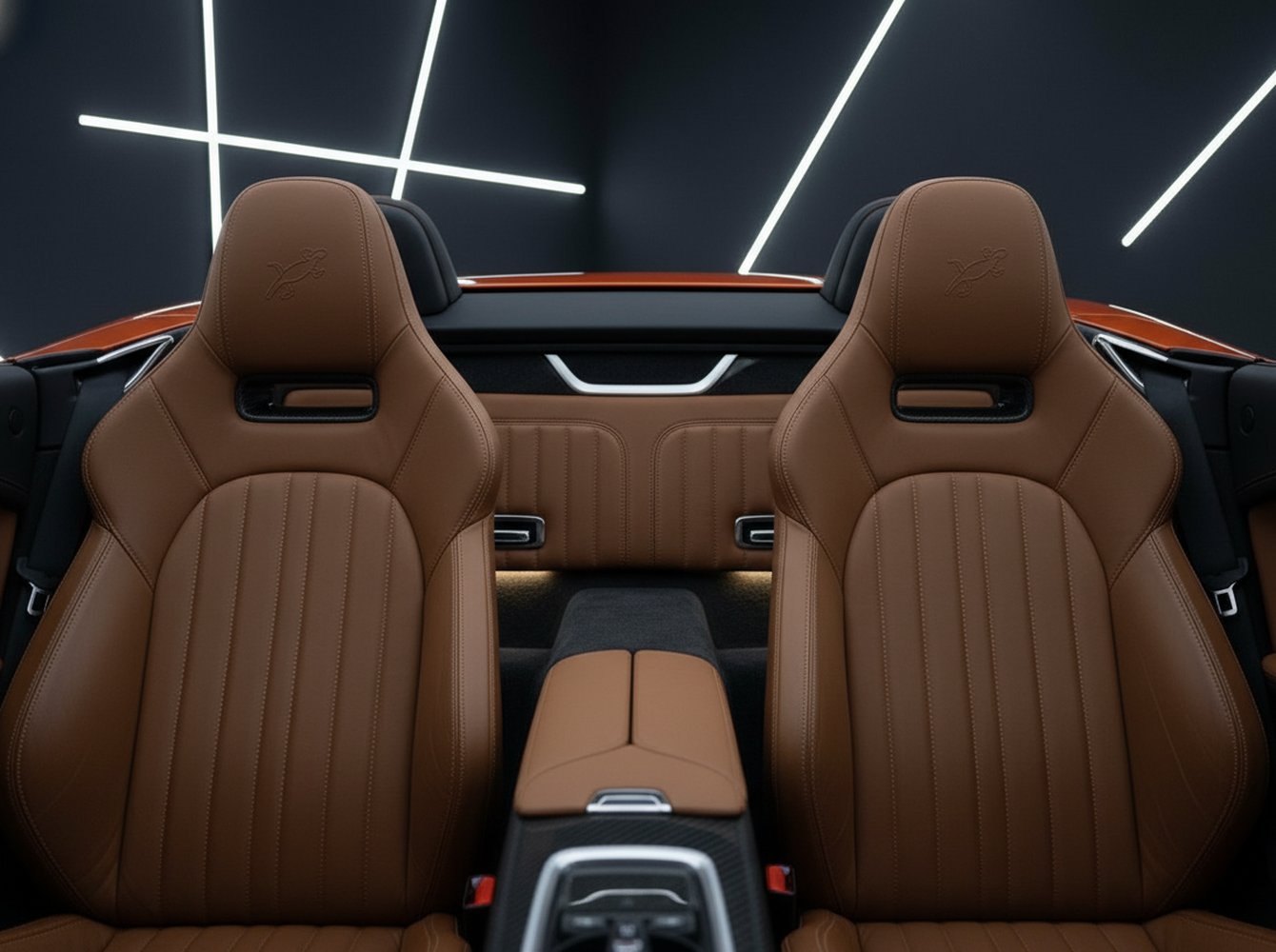
Inside the handcrafted cabin, the focus is squarely on the driver. The cockpit cocoons its occupants in bespoke materials, with deep bucket seats providing support during high-g cornering. A central touchscreen manages infotainment, but critical driving functions are controlled via physical switchgear. Despite its performance focus, the Thunderball offers surprising utility with front and rear luggage compartments, making it a viable companion for weekend escapes.
In a market increasingly saturated with all-wheel-drive EV hypercars, the Project Thunderball carves a unique niche. Its rear-wheel-drive layout deliberately targets purists seeking an engaging, tail-happy driving experience lost in many modern EVs. It competes not with mass-produced electrics, but with coach-built exotics, offering U.S. buyers a rare blend of German engineering, classic British roadster aesthetics, and future-forward technology.
The car’s foundation is a state-of-the-art 800-volt architecture, enabling ultra-fast DC charging capabilities of up to 300 kW. The 92-kWh battery is engineered for a targeted range of over 300 miles (WLTP). A standout feature is its five-level selectable regenerative braking system, controlled via steering wheel paddles, allowing the driver to mimic the feel of downshifting a traditional combustion engine—a brilliant touch for driver engagement.


Wiesmann’s most significant achievement here isn’t just the raw performance, but the preservation of analog soul in a digital machine. By forgoing a front motor and using regenerative paddles to simulate engine braking, the Thunderball directly addresses the enthusiast’s primary complaint about EVs: a lack of involvement. This isn’t an EV trying to be a computer on wheels; it’s a sports car that happens to be electric.
The 2026 Wiesmann Project Thunderball is more than a comeback; it’s a declaration of intent. It proves that electrification does not have to mean the end of driver passion or classical beauty. For a select few, it offers a truly unique proposition: a handcrafted, emotionally resonant electric roadster that honors the past while fearlessly embracing the future. This is the new benchmark for the boutique EV.


1. What is the expected real-world range of the Project Thunderball?
While official EPA figures are pending, Wiesmann targets a WLTP range of 500 km (approximately 310 miles) from its 83 kWh usable battery capacity. Real-world range for U.S. drivers will likely be in the 260-280 mile bracket, depending on driving style.
2. How does the twin-motor RWD setup feel compared to an AWD EV?
The rear-wheel-drive configuration delivers a classic sports car driving dynamic. It allows for more steering feel, as the front wheels are not powered, and enables controlled power-on oversteer for experienced drivers. It feels more agile and playful than the more clinical, grip-focused feel of most AWD EVs.
3. Is the Wiesmann Project Thunderball a limited production car?
Yes. While not a numbered limited edition, Wiesmann operates as a low-volume, bespoke manufacturer. Production will be inherently limited due to the hand-built nature of the vehicle, ensuring exclusivity for its owners. The first year’s production run is already sold out.
Share this article
Help other drivers discover this story.